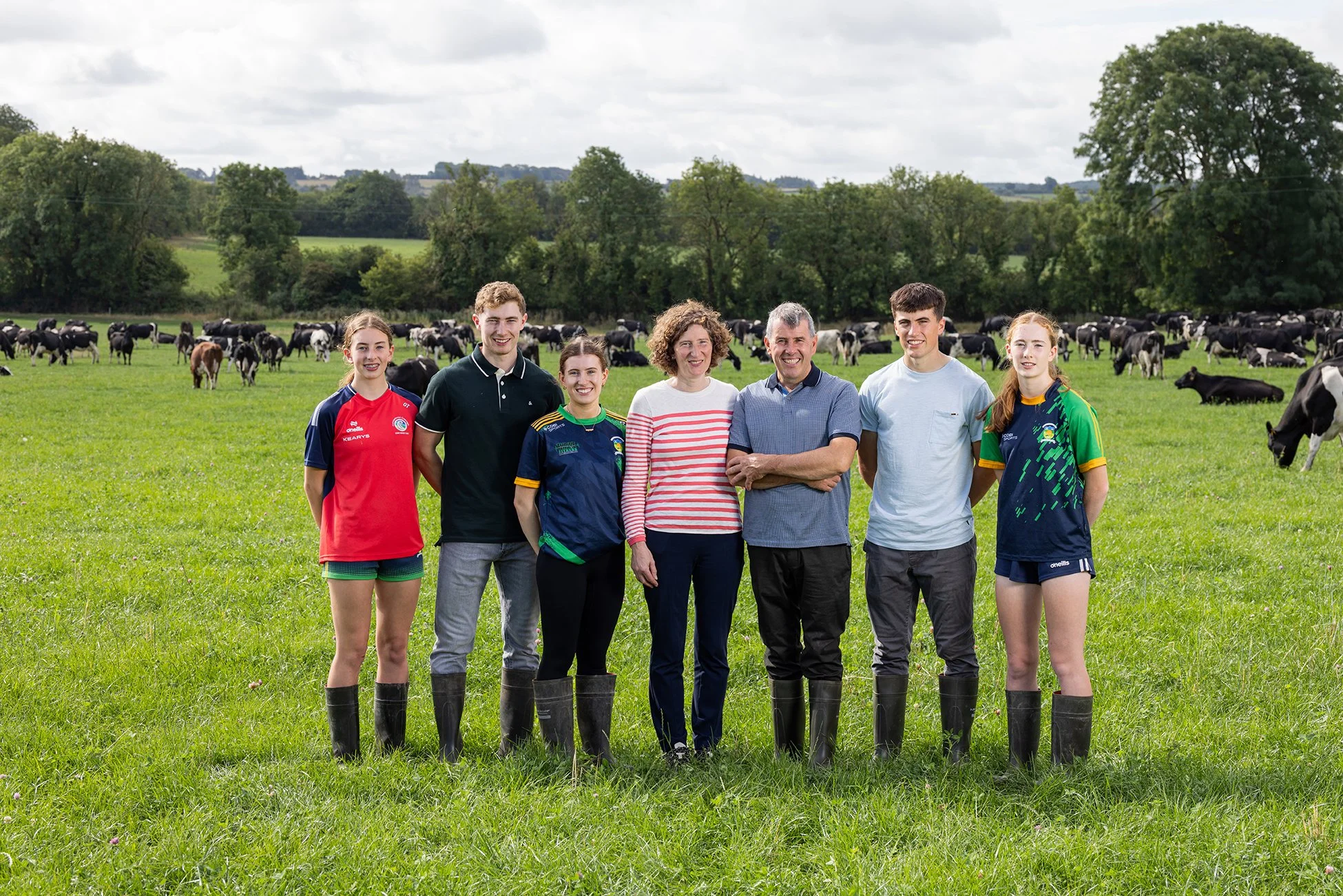
A daffodil-lined avenue provides the first welcome to the Troy family farm at Corrough, Newtownshandrum, a sweep of colour before the scale of the enterprise comes into view. The figures that follow are formidable: 425 cows, a herd in the top 1% nationally for EBI, 11 home-bred bulls accepted into AI stations, 100% clover across the grazing platform and a carbon footprint reduced to 0.77. Yet numbers tell only half the story. The real achievement is the way Robert and Mary have combined science, stockmanship and scale while raising five children who are already part of the farm's work, sport and future.
Robert is the fifth generation of Troys to farm in Newtownshandrum and the fifth of twelve children himself. He studied mechanical engineering, but a three month placement in New Zealand in 1993 opened his eyes to what grass-based dairying could achieve in Ireland. He returned home, grew the herd from 140 to 200 cows over the following twelve years and married Mary in 2002. A UCD food-science graduate who worked in quality assurance with Dairygold, Mary brought a complementary understanding of food production and the disciplines that protect quality.
The move to Corrough in 2010 was a decisive one. The present farm is drier than the original holding and provides about three additional weeks of grass at either end of the season. On 11 April that year, cows were milked in the old parlour in the morning and the new one that afternoon. It is a small detail that captures the Troys well: plan carefully, move when the evidence supports it and keep the system running while change is made.

Robert is a disciple of Teagasc geneticist Donagh Berry, and his breeding policy rests on 25 years of HerdPlus and ICBF records. The herd is fully genotyped and ranks within the top 1% nationally for EBI. Robert carries out his own AI from a panel of about 35 bulls, working from a dedicated platform beside the 44-unit rotary so breeding does not interrupt milking. A mirror above the cows allows the operator to read tail paint, and at the height of the season around 20 cows can be inseminated in a day.
The philosophy is 'following the data, not the show ring'. Twenty years ago the Troys experimented with Jersey genetics, but found that carefully selected Holstein-Friesians could deliver the fertility and solids they required. Maintenance, fertility and constituents now drive selection, with the long-term target a functional cow approaching 5% fat and 4% protein. Over fifteen years, eleven bulls bred from the herd have entered AI stations, including Springhaven Wizard and Springhaven Supreme. ICBF now identifies potential sire dams among the Troy cows, while heifer calves are sold to farms seeking rapid genetic gain.
Milk quality shows that attention to detail has survived expansion. In 2025, an average of 407 cows delivered 202,617 kg of milk solids. The litre-weighted figures were approximately 89,000 cells/ml for SCC and below 8,000 cfu/ml for TBC, with butterfat at 4.49% and protein at 3.73%. One quarter is stripped at every milking, cows are dry-wiped, gloves and cluster dipping reduce cross-transfer, and six milk recordings a year give the family the information to act early.
Mary oversees a rigorous selective dry-cow programme. Teat sealer alone is reserved for cows that have remained below 70,000 cells throughout the year, and laboratory testing guides treatment decisions where infection occurs. The plant receives a hot wash each morning, a powder wash in the evening, twice-weekly descales and peracetic acid in the rinse; a fresh filter sock is fitted after every milking. The routine is chlorine-free, repeatable and exact, the kind of discipline that matters even more when every milking involves hundreds of cows.
The production system is deliberately simple: calving runs from 1 February to mid-April, breeding begins in early May and runs to the end of July, and the herd is dry in December and January. Cows are at grass within days of calving and the farm records a 285-day grazing season. The aim, in Robert's phrase, is to build to the 1 May peak and 'hold the curve as long as you can'. In 2025 the platform grew about 15 tonnes of dry matter per hectare.
Small pieces of engineering remove labour from that system. An underpass takes cows safely beneath the road, while a batt-latch allows them to choose their own return from distant paddocks and saves roughly 40 minutes on a two-kilometre walk. The Troys concentrate on stock, grass and maintenance; about 90% of tractor work is contracted. Cups go on at 6.30am and 3pm, and the family and staff aim to be finished by 5.30 each evening. Scale has not been allowed to become an excuse for disorder or for work to consume every waking hour.
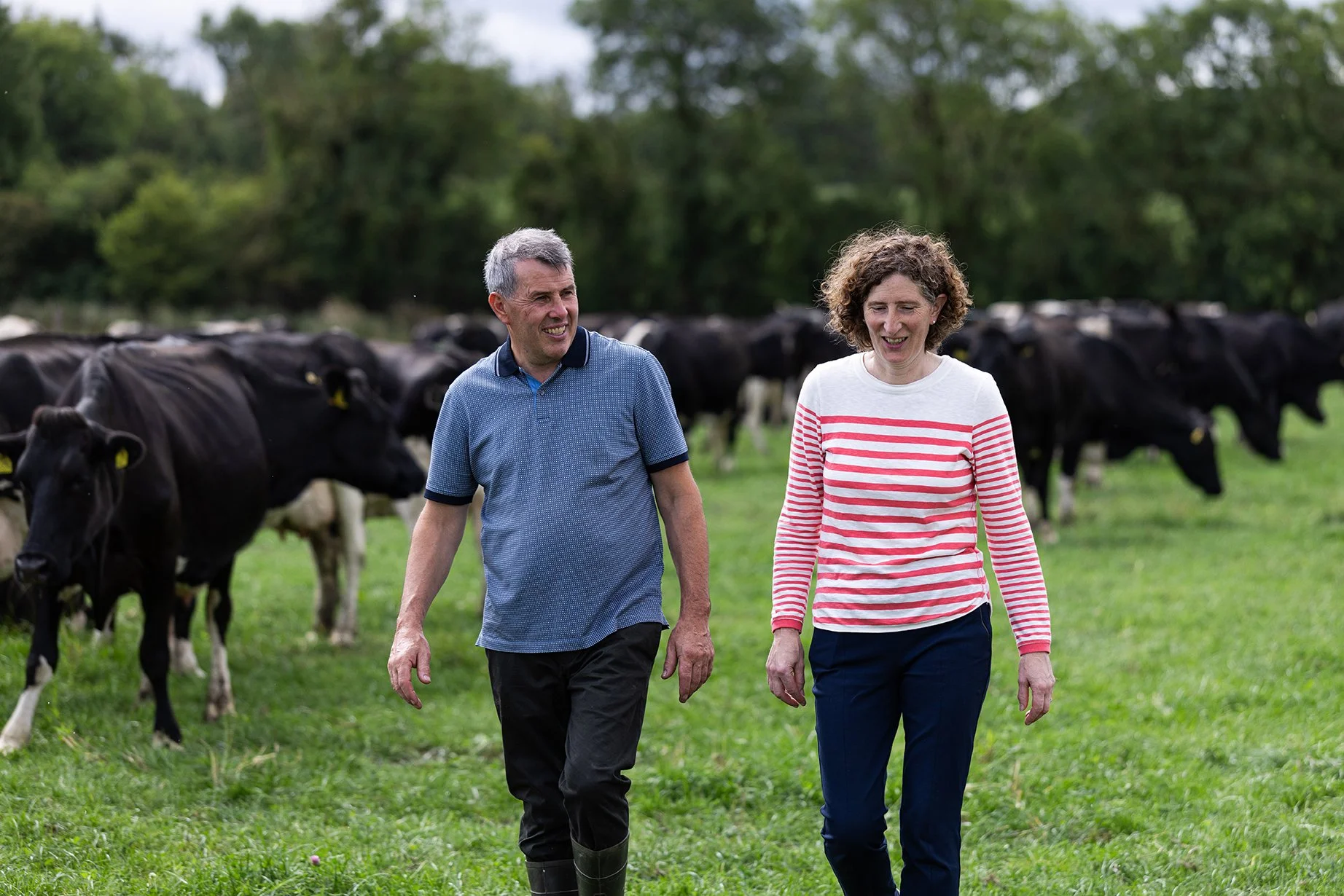
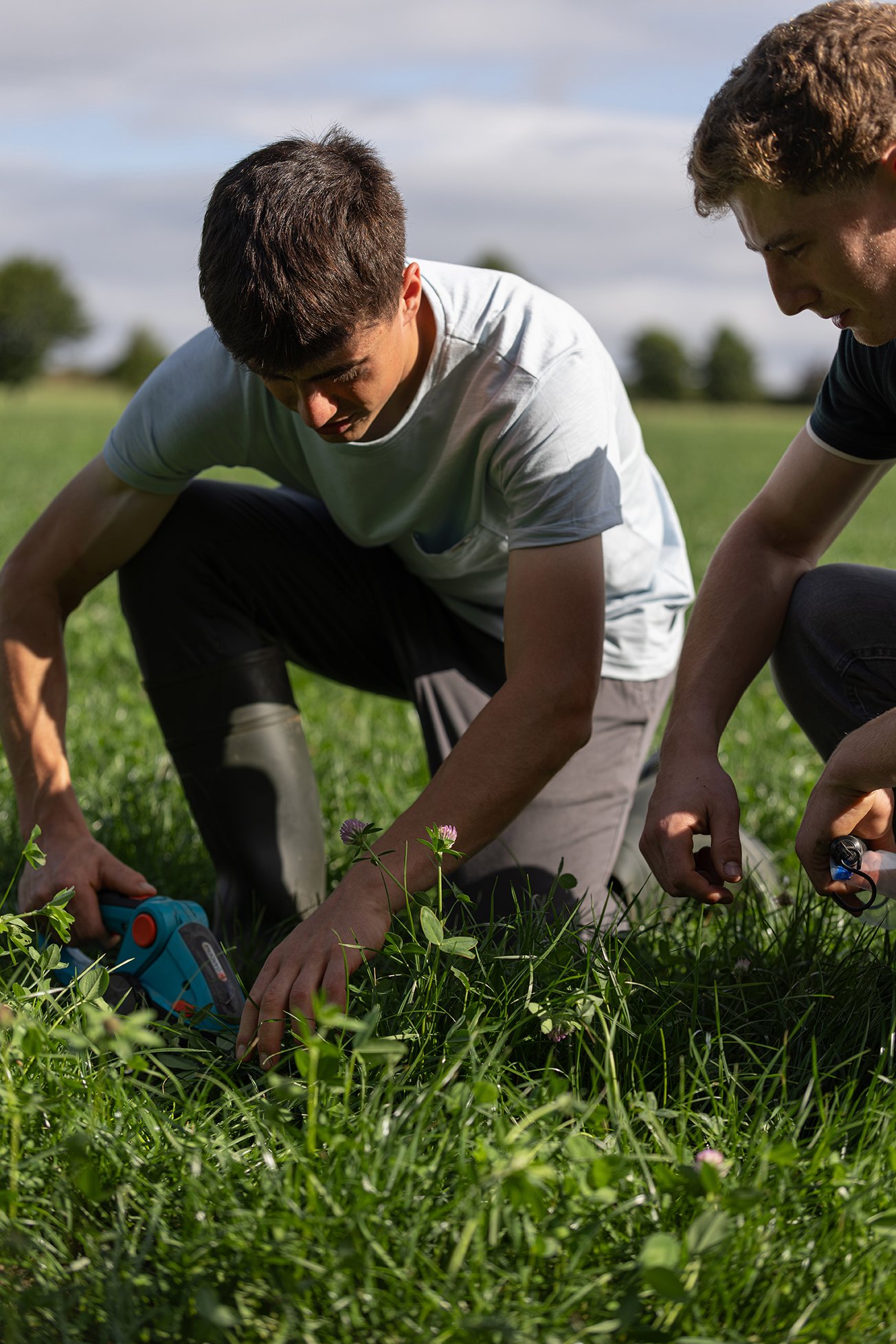
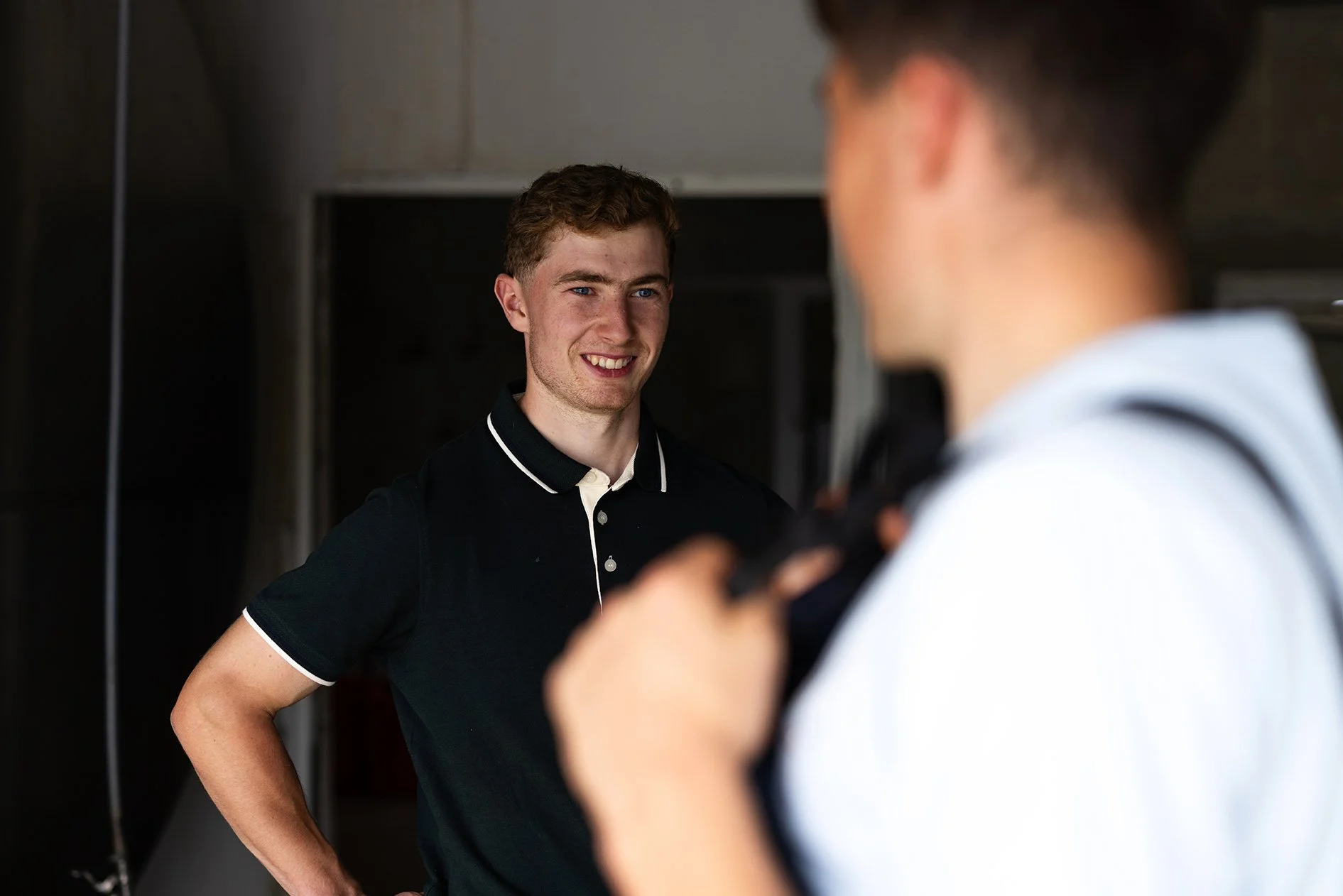
Perhaps the most telling measure of the farm is that all five children have found a place within it without being made to fit the same mould. Rory is studying agriculture, while Robert Junior has followed his father's engineering route. On the farm they share responsibility for grassland management, milking, calf feeding, animal husbandry, vaccinations, machinery, building maintenance and electronic repairs. On the field, both line out in senior hurling for Newtownshandrum, and Rory has also been part of the Cork under-20 hurling panel.
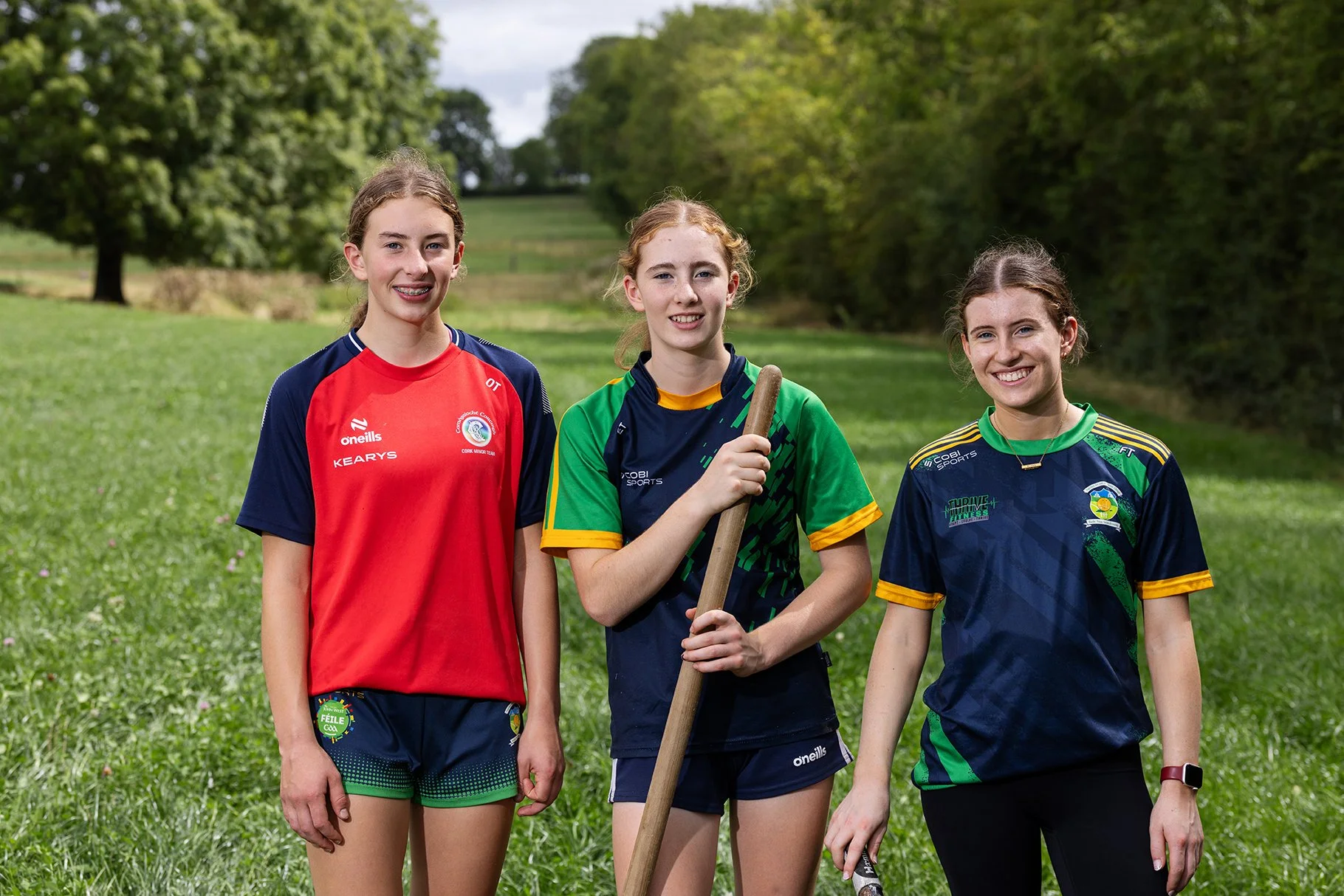
Fiona, Orla and Eimear are every bit as practical. They milk cows, feed calves, herd stock and take responsibility for the cleaning and order that keep a large farm functioning properly. Orla has carried the family colours beyond the parish: selected for the Cork minor camogie team in 2026, she contributed scores during Cork's All-Ireland semi-final against Kilkenny. Mary is secretary and a selector with the local camogie club, making the connection between yard and playing field a family commitment rather than a weekend diversion.
The children's own project may say most about the culture in which they have grown up. They built a gym on the farm and repurposed an old bulk tank, sunk into the ground, as a cold-water plunge after training. It is ingenious, practical and slightly competitive, an unmistakably Troy solution. The same young people who understand grass covers, calves and a rotary parlour have created the facilities to pursue sport at a high level. Farming has not narrowed their world; it has taught them how to build one.
Robert and Mary would like the children to become involved full-time in the future, but they are equally clear that education must come first and pressure has no place in succession. 'Education gives you choices' is more than a saying in this household. Agriculture, engineering, food science and elite sport are not competing identities here; they strengthen one another. The sixth generation is being equipped to return if it chooses, not instructed that it must.
The same long view shapes the land. The farm's carbon footprint has fallen from 0.92 in 2017 to 0.77 in 2026 through a fertile, low-maintenance cow, compact calving, grass utilisation and lower dependence on purchased feed. Clover is established across the entire grazing platform, protected urea accounts for all chemical nitrogen and slurry is targeted by soil need. Through Kerry's Evolve programme and two EIP projects, the family has planted trees each winter, fenced watercourses and created buffer zones, two ponds and a reed-bed system. Run-off from the concrete yard is trapped and naturally filtered before water reaches the River Deel; 200 more trees were planted in 2025, alongside bird and owl boxes.
Corrough also serves as a working classroom. Agricultural-science students from Charleville CBS are welcomed onto the farm and shown how breeding, grass, welfare, water quality and labour management fit together. Robert and Mary are not presenting a theoretical model: they are opening the gate on a system tested daily at scale.
The daffodils make the first impression, and the exceptional figures sustain it. But the lasting memory of the Troy farm is of a family in which knowledge is shared, responsibility is real and achievement is measured in more than litres or indexes. Robert and Mary have built a technically outstanding dairy business; Rory, Robert Junior, Fiona, Orla and Eimear make it feel like a place with a future. At Corrough, the data tells the truth, but the family completes the story.