Some of the cows grazing the milking platform at Gurteen are as Simon Breen will tell you with a straight face, no taller than a great dane. They are small, compact and maybe unfashionable to some eyes. However, they are among the most productive animals in the country at the one thing that decides a milk cheque: solids. That contradiction is the whole story of this farm, and it is no accident. It was bred, measured and managed into being.
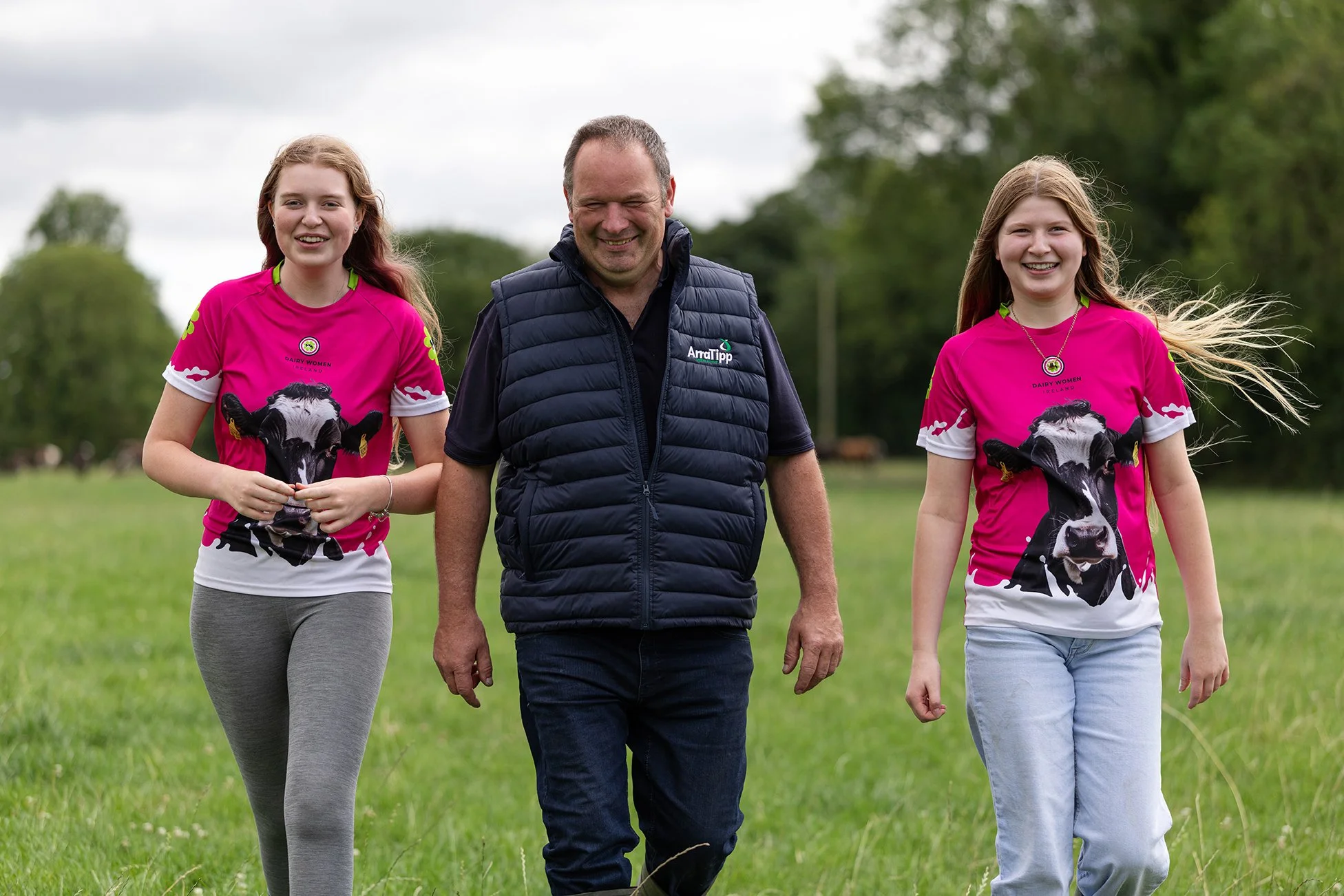
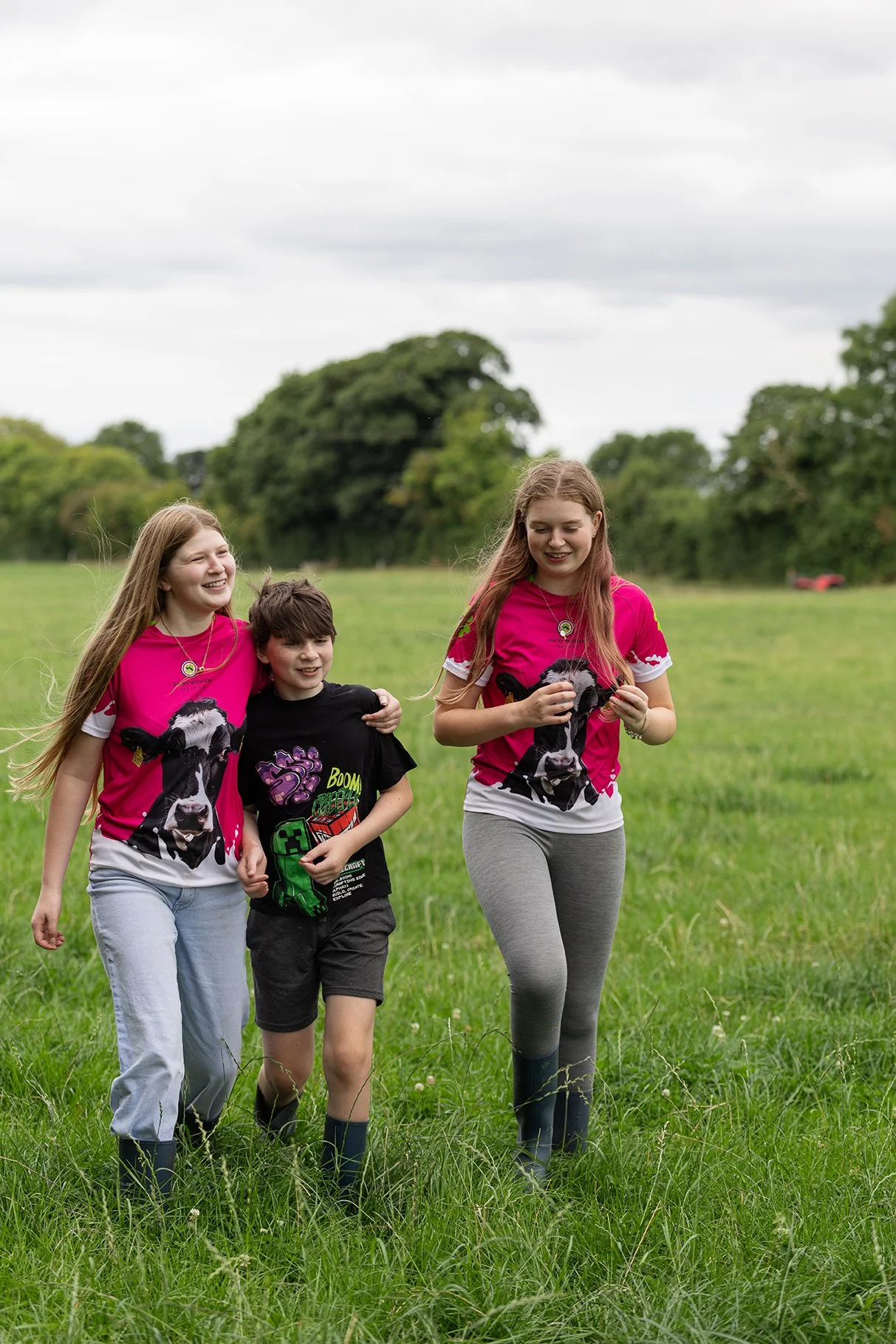
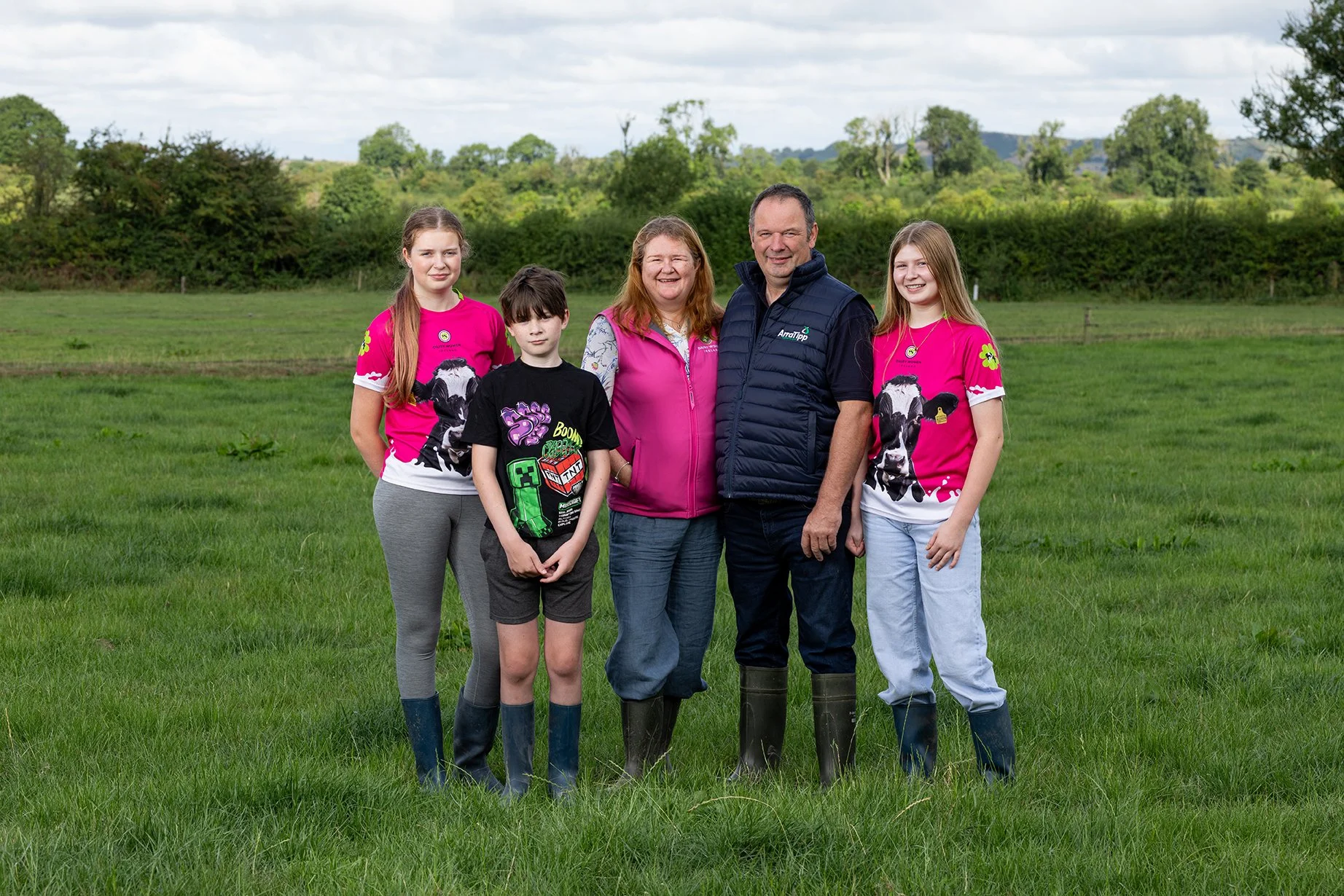
The Breen family, Simon and his wife Carol, with their children Julia, Sarah and Peter, farming alongside Simon's parents, Peter and Sheila, milk 254 cows near Emly in the west of Tipperary. This spring they were named the very first Milk Supplier of the Year for the newly merged Arrabawn Tipperary Co-op, an honour the family describe as representing not just their own yard but their parish. Simon is the second generation here: his parents bought the original 56 hectares in 1979, and three generations have since grown it into a 127-hectare business that comfortably supports two families.
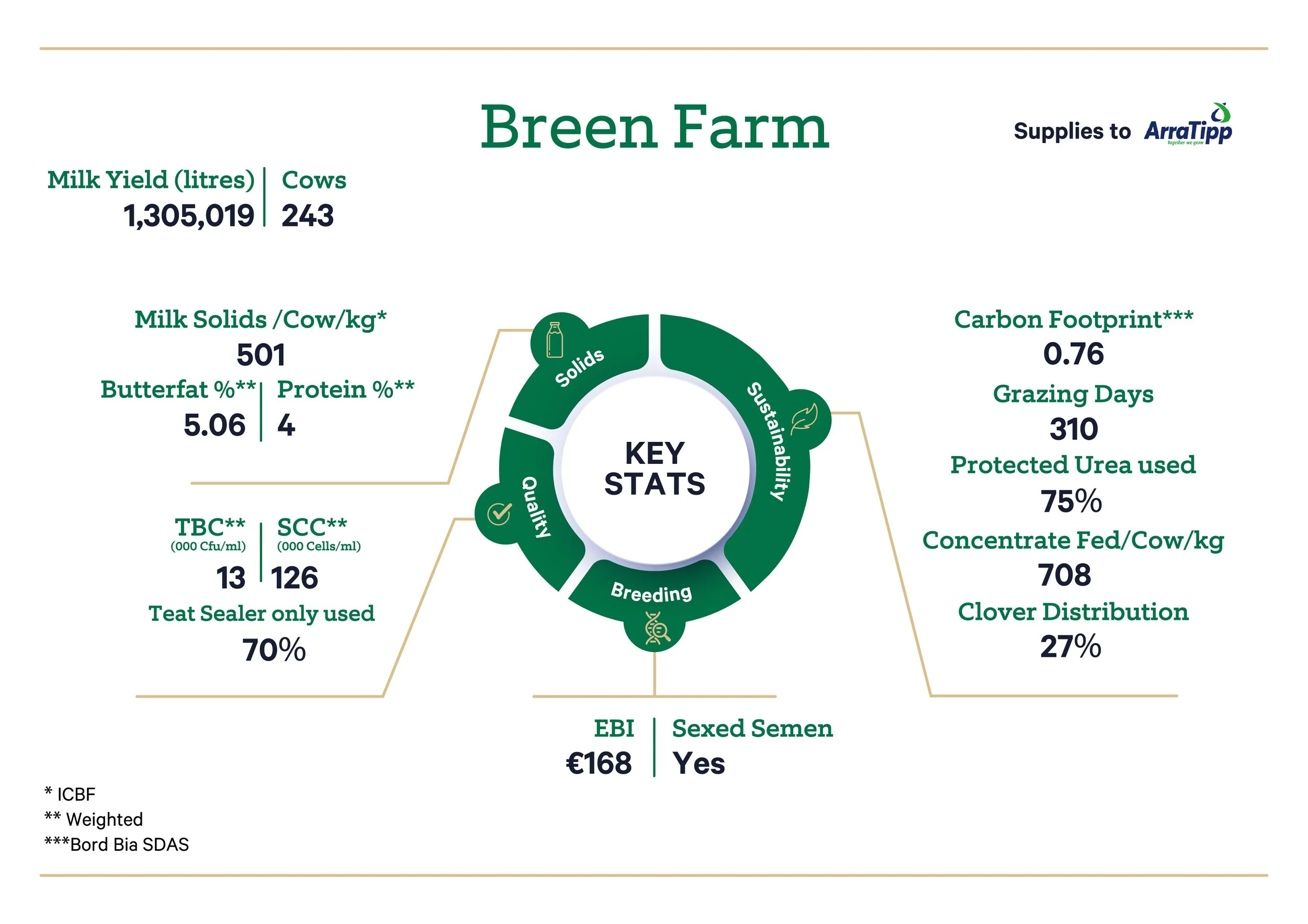
Start with the figures, because Simon does. The herd delivered 501kg of milk solids per cow in 2025 off just 708kg of meal, and sits in the top 1% of the co-op for both butterfat and protein. Its carbon index of €24 is top 1% nationally; its EBI of 168 puts it in the national top 7%. Most telling of all is a single ratio Simon keeps in his head, 1.03kg of milk solids delivered for every kilo of cow. It is the number that explains the small cow. "Every farmer needs to work out his own system," he says. "If you can't explain that system in less than five minutes, it's too complicated."
Twelve years of crossbreeding built the herd he wanted. The last pure Friesian, a remarkable 13th-lactation cow, left only this year; Friesians were crossed first with Jerseys, then with New Zealand Kiwi-cross genetics, chasing fertility, high solids and a low carbon footprint. Today every dairy replacement is bred from sexed semen, while seven in ten calves are beef-sired, a easy calving Belgian Blue over low-beef-merit cows to produce a calf buyers will queue for. "With such low beef-merit cows, we have to use a substantial bull to get an easily saleable calf," Simon explains, and careful body-condition management keeps calving trouble-free.
Quality is decided long before the cluster goes on, this has been a chlorine-free dairy since 2017, years ahead of the requirement. TBC results spend most of the year in single figures and the SCC is held comfortably inside target through the season. High-SCC cows are drafted, leg-banded and milked last through a cluster-flush system. Seven in ten cows get a teat sealer only at drying-off, No intramammary antibiotic tubes were used in lactating cows during 2025. The few cases where treatment was required, were investigated using quarter-milk samples and managed with veterinary-prescribed injectable medication.
Grass is the engine behind the solids. The herd is out for 310 days a year, from early February to mid-December, and the farm meets the Grass-Fed standard. Simon walks the farm and measures grass 50 times a year on PastureBase, "you can't manage something you don't measure", and has pushed clover to 27% of the grazing platform, with 77% of the silage ground now with red clover taking zero chemical nitrogen. Three-quarters of the chemical fertiliser used is protected urea; no straight urea or CAN goes out at all. He has strong views, cheerfully held: "Every farm should have a grasshopper and every parish a roller, but only roll reseeded ground."
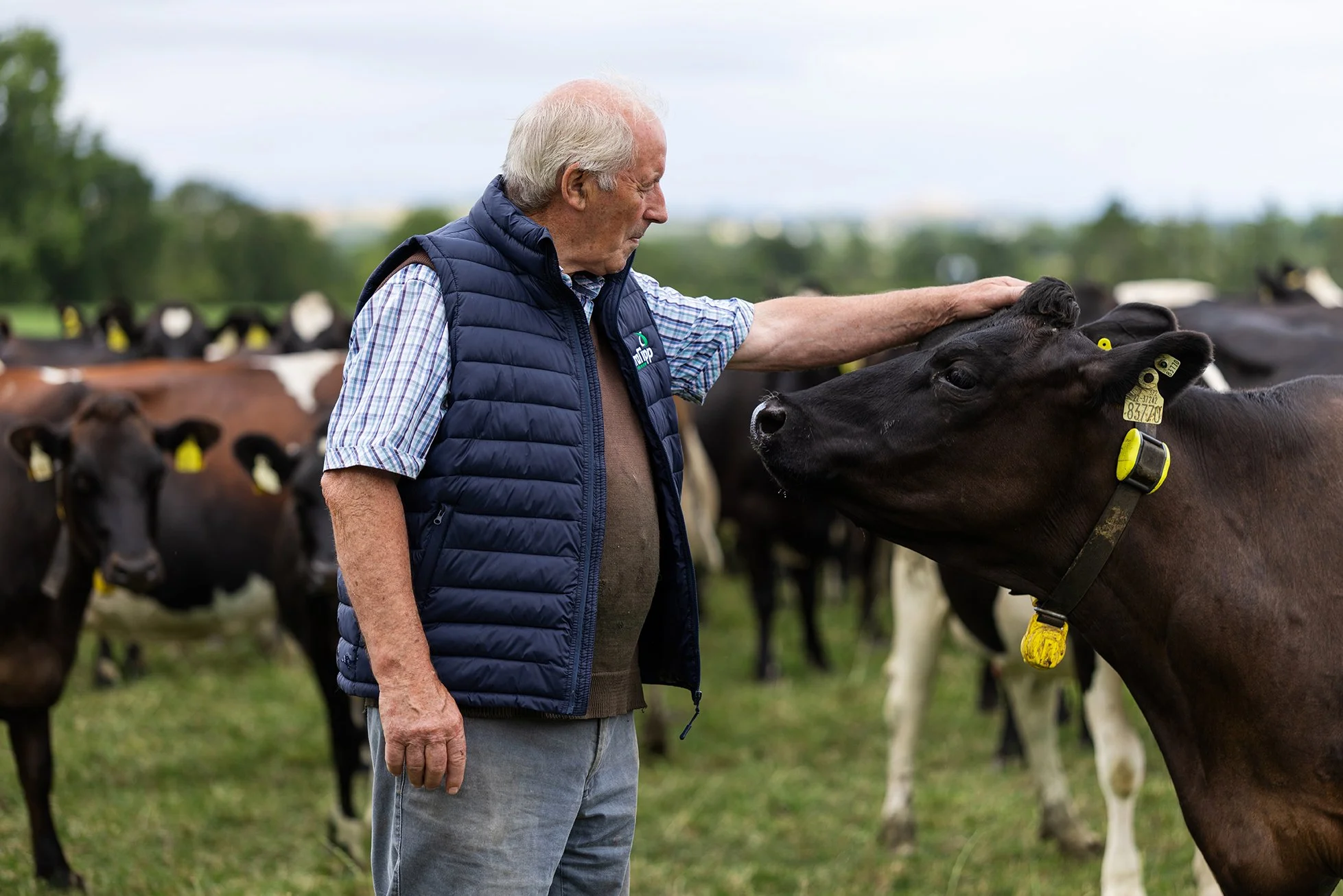
Technology is useful only when it earns its place. Cow collars have been used for a decade to support heat detection and daily health surveillance. HerdApp organises animal records, PastureBase holds every grass measurement and nutrient input, GPS guides fertiliser spreading, and a field-measure app helps allocate the daily grazing allowance. The collars do not replace stockmanship; they sharpen it. The same is true in the calf shed, where colostrum is checked with a refractometer, heifer calves wear jackets when conditions demand it, and a JFC automatic calf feeder delivers consistent, accurately measured feeds monitors individual intakes, allowing any calf falling behind to be identified and attended to quickly.
The environmental work runs well past the paddock gate. The farm's carbon footprint sits at 0.76. A 1.25-hectare reed bed polishes grey water from the yard; two hectares of new native woodland , alder, birch, rowan, oak and whitethorn, and a fresh kilometre of whitethorn hedge have gone in, with a solar application pending. Simon is matter-of-fact about the trees: he has no intention of ever harvesting them. They will, as he puts it, still be standing there when he is long gone.
Animal health here is treated as detective work. When mastitis, cell count and lameness crept up, blood, milk and herbage testing traced the cause to high molybdenum in the ground, quietly locking up the selenium, iodine, phosphorus and zinc the cows needed; the fix, minerals delivered through the water, is pure Breen, find the number, then solve it. Cow comfort is engineered rather than assumed: more cubicles than cows, collars checked daily, batt latches, 1.5km of roadway surfaced with astroturf last winter, and every cow condition-scored twice a year by an outside assessor. Calf mortality for 2025 was 4.6%.
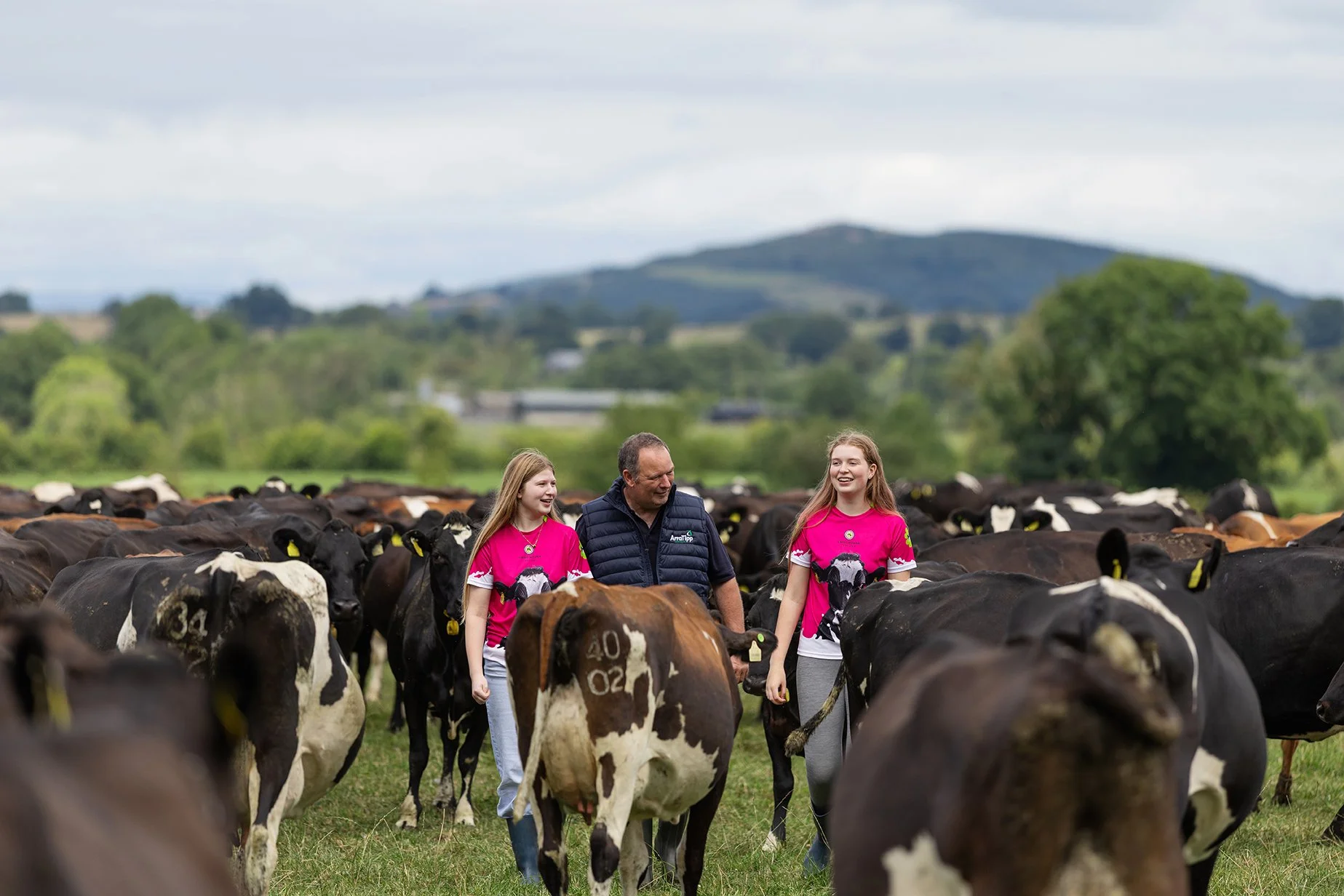
None of it would work without the people. Peter and Sheila are still hands-on with calves and herding, Carol runs calf-rearing and the grassland discussions, and the three children , Julia, Sarah and Peter — all have jobs on the yard, alongside a settled outside team led by full-timer Gleidson. Family life is protected as deliberately as the herd: cows dried off for Christmas, milkings dropped to 13 a week from mid-July with once a day milking on Sundays.
Beyond the farm gete, Simon never misses his daughters' GAA matches and he chairs the parish text-alert group, sings in the Emly church choir, brings farm-safety talks to the local pre-school, mentors a UCD student at Moorepark each year, and chairs the Clover EIP discussion group, knowledge given as freely as it is taken. No stone was left unturned to try and win this competition outright and in an attempt to influence proceedings, Simon’s mother Sheila shared the family’s secret brown-bread recipe with judge Karina Pierce.
Simon Breen breeds a cow that looks like nothing special and performs like everything. That, in the end, is the measure of the man behind her. It is little wonder Arrabawn Tipperary chose this Emly family to carry its colours in its first year.