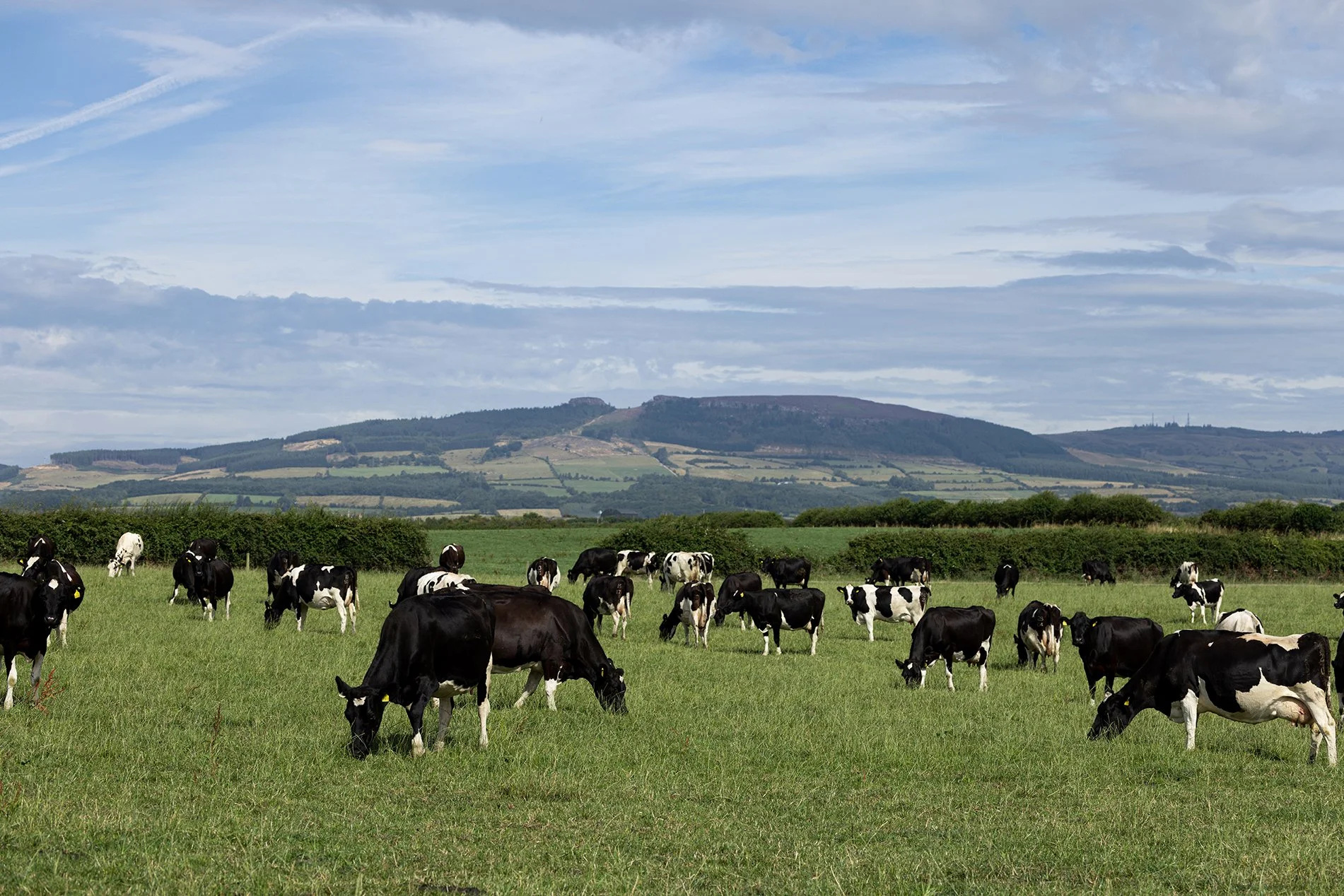
You know something before you are halfway up the lane at Graigue. The yard is swept, the roadways run true to every corner of the grazing block, and the cows lift unhurried heads as you pass, the settled calm of a herd that is well handled and well housed. What you would never guess is that, four short years ago, there was not a dairy cow on the place.
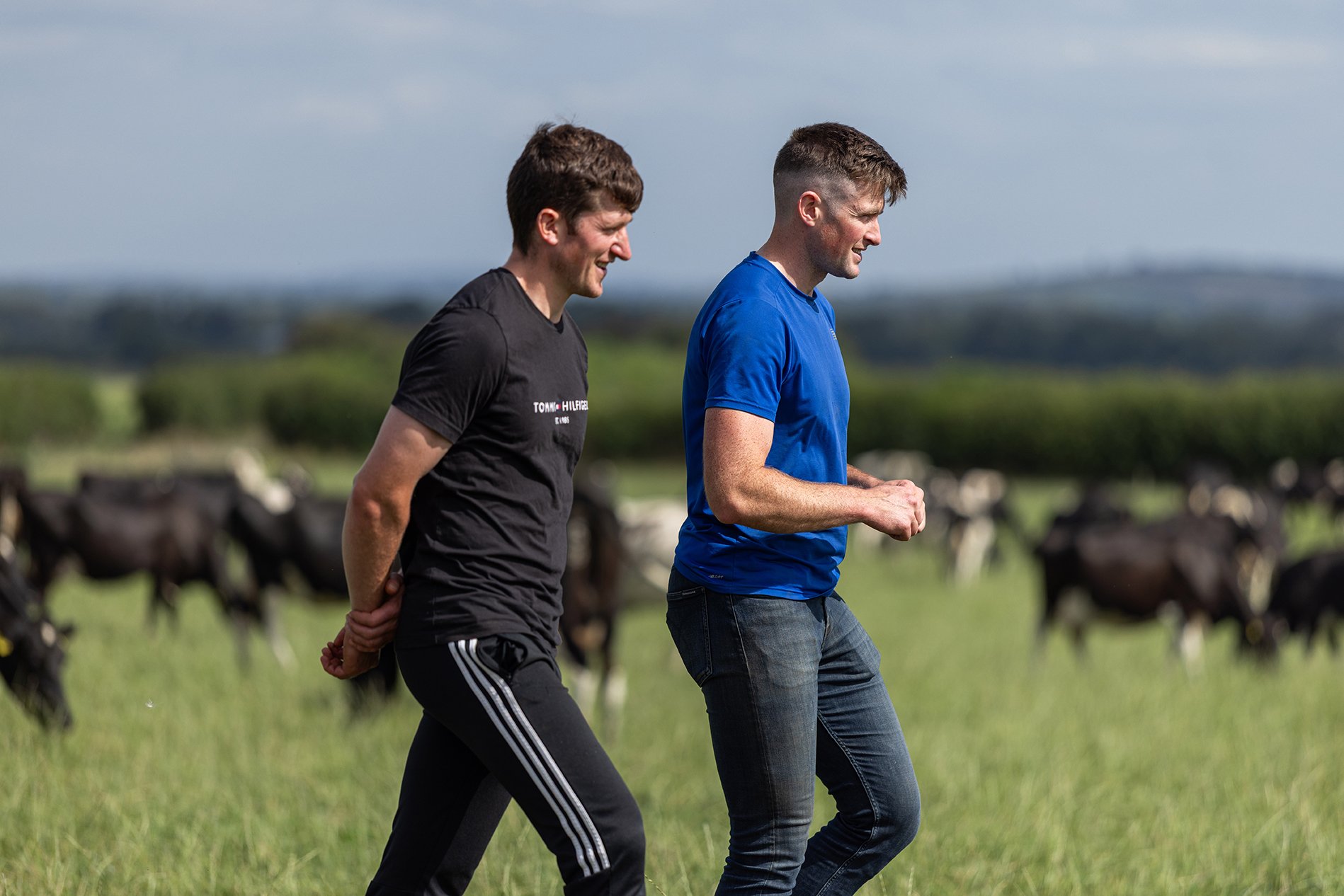
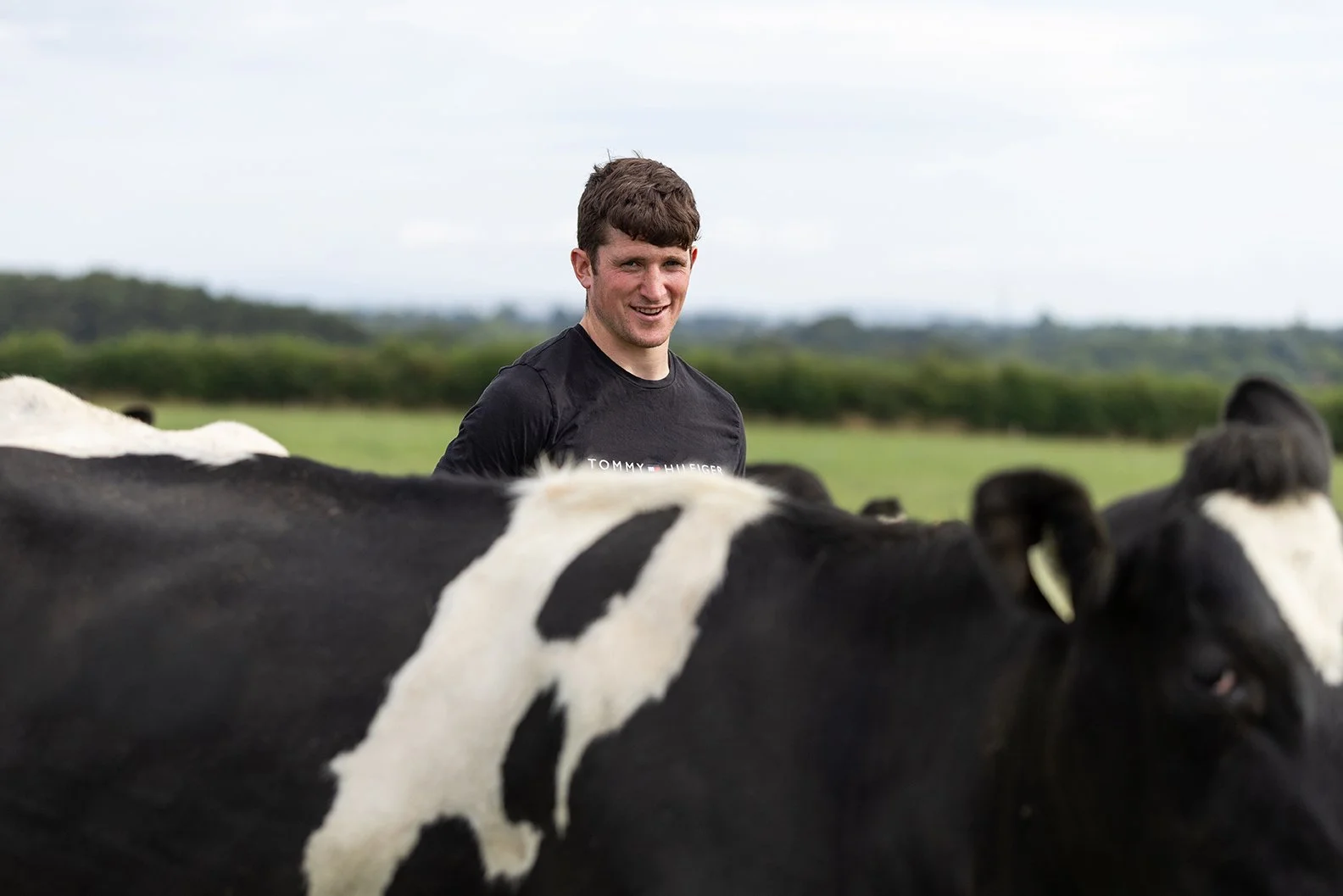
The Campion family are new entrants to dairying. Until 2021 Paddy Campion ran a well-regarded beef enterprise here on the edge of the Devil’s Bit country; today he and his son Lorcan milk 160 cows on a simple, spring-calving, grass-based system that would be the envy of farmers three generations into the job. To go from a standing start to representing Centenary Thurles Co-op at the NDC and Kerrygold Quality Milk Awards in the space of five years is a remarkable achievement and one the whole family has had a hand in.
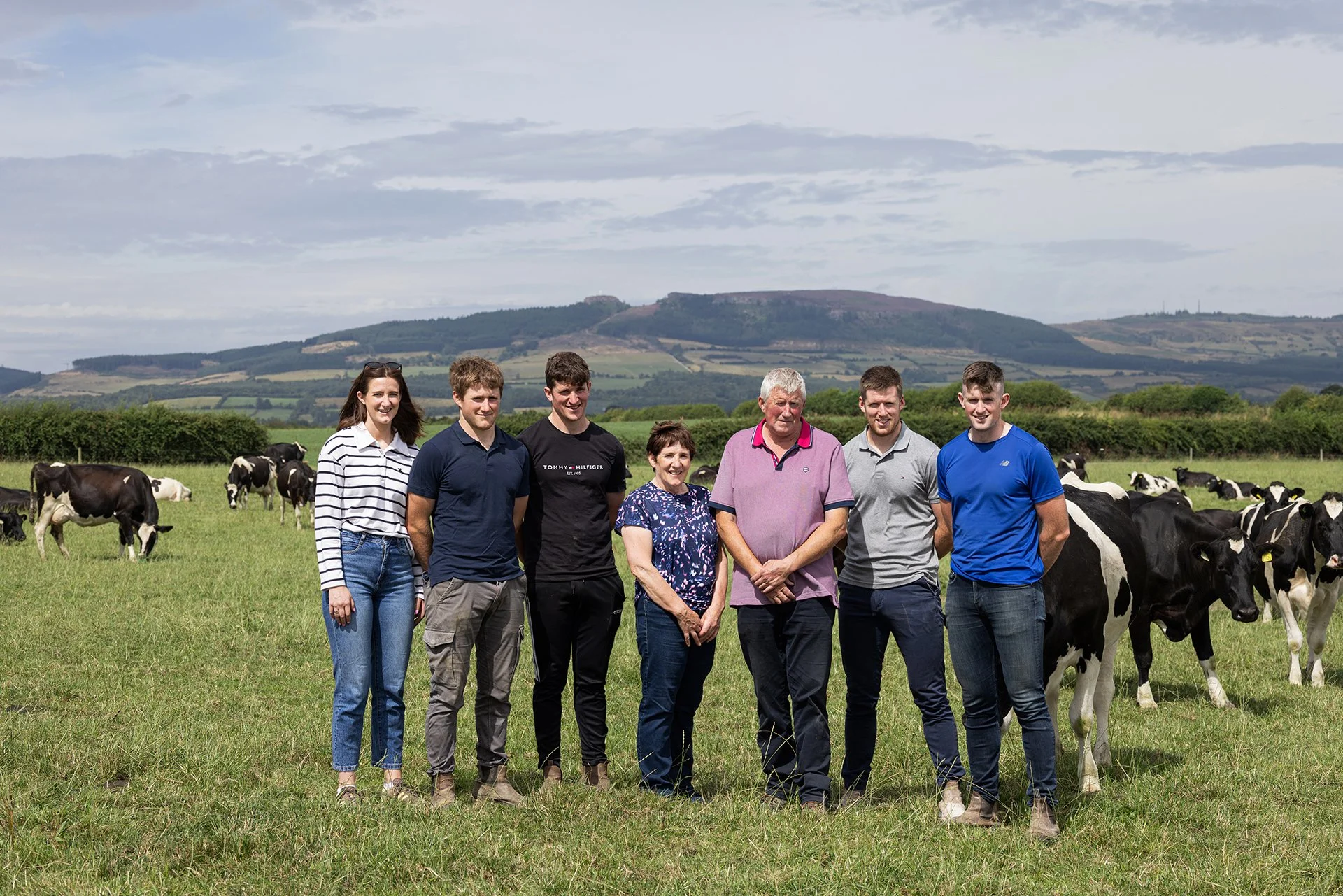
It is very much a family enterprise. Paddy and Lorcan farm full time; Ann, Paddy’s wife, now retired, is back in the thick of it every spring for calving and calf care. Sons Michael, John and Podge lend a shoulder when they are needed. Michael, a Teagasc advisor, brings a professional eye to the home place , while daughter Miriam completes a household as well known on the playing field as in the parlour. The four Campion brothers all hurl for the Drom & Inch seniors; John and Podge have worn the Tipperary jersey at senior inter-county level, and Miriam is a Tipperary senior camogie player. The family are cousins, too, of the celebrated McGrath sporting clan from neighbouring Loughmore-Castleiney, so when the two parishes meet, it is very much cousin against cousin.
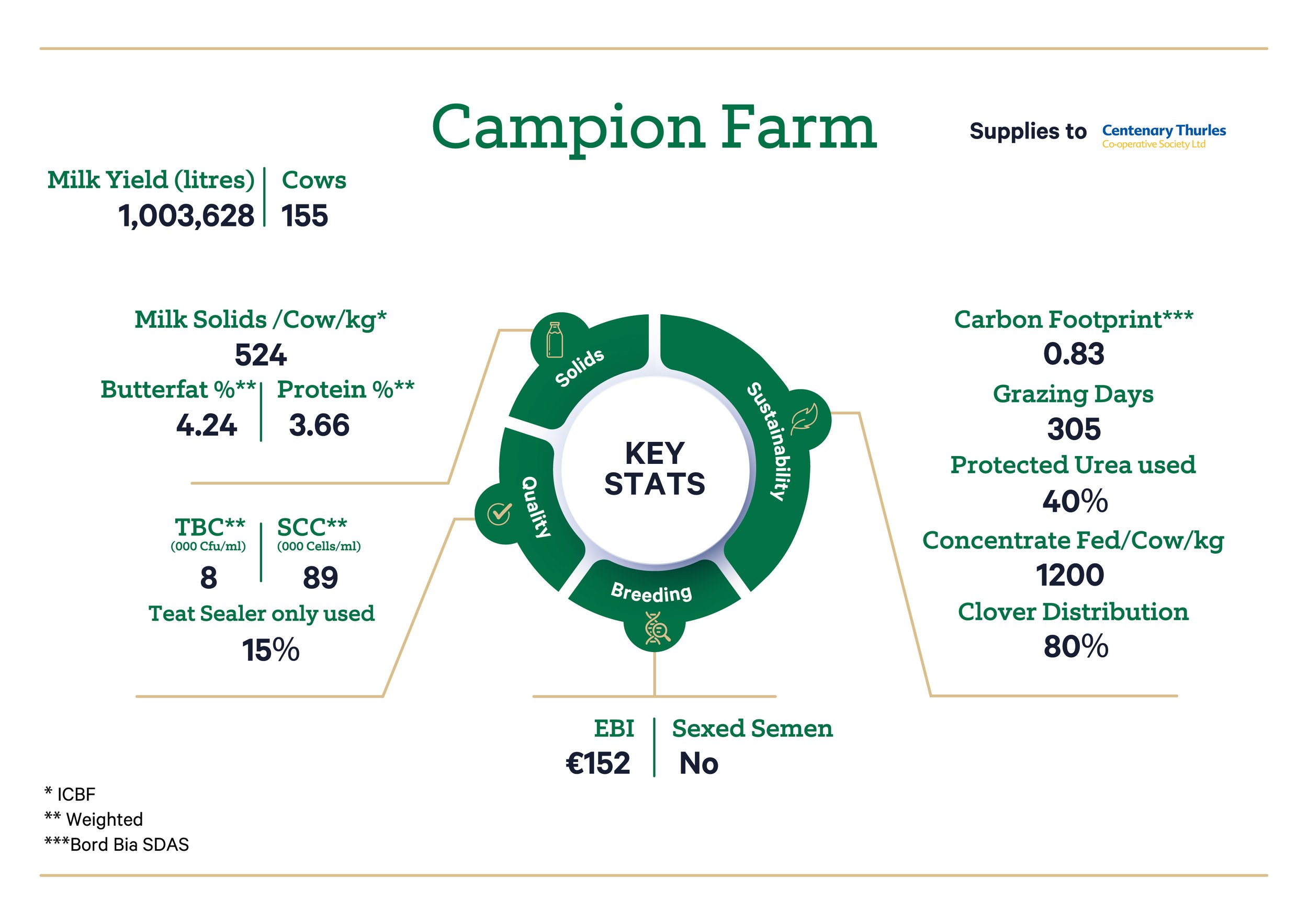
If sport is in the blood, so too is the discipline it demands, and it shows in the milk. Milk quality is where new entrants are most often caught out, and it is where the Campions have most to be proud of. Somatic cell count has been held consistently low, down into the fifties and sixties of thousands through the spring of 2026 , while total bacterial count sits in single figures to the low teens, the mark of a spotless routine in a parlour barely four years old. The 20-unit parlour, built in 2021, was laid out with real thought: air gates, automatic cluster removers, an automatic wash and a drafting gate that together make light work of 160 cows and take the drudgery out of the day. In 2025 the herd delivered almost 82,000 kg of milk solids, an average of 525 kg per cow , figures that speak of grass well grown and cows well fed.
Behind the tank readings is a herd-health plan that leaves little to chance. Calf mortality in 2025 was just 0.6%, a figure many long-established herds would be glad of. Cows are vaccinated across the full slate of scour, blackleg, IBR, lepto and salmonella; bulk-tank screening and twice-yearly blood testing keep mineral status on track; and lameness is kept to a minimum through good roadways, strategic foot-bathing and routine paring. Everything comes back to the same principle , a settled, healthy cow that milks on, uninterrupted, from one end of the year to the other.
The breeding programme shows the same ambition. Every cow has been genotyped since the herd’s first year, and EBI has climbed steadily to €152, with replacement heifers already at €192 and the 2026 AI team averaging a striking €277. TB-resistant sires are used on the dairy side, SMAXTEC boluses now sharpen breeding timing, and a 94% three-week submission rate points to the kind of fertility on which every grass system stands or falls. The plan for 2027 is to move to 100% AI, further evidence of a family that, having learned the job quickly, is not inclined to stand still.
Out in the fields, the environmental story is equally deliberate. Protected urea, clover in every reseed, soil pH held at 6.6–6.8 and a nitrogen-use-efficiency figure of 36% and rising all reflect a farm run with the low-carbon principles of the Teagasc Signpost Programme in mind. Some 900 metres of new hedging has gone in over the past decade, the two watercourses on the farm are fenced well back and mapped for vulnerability, and a walk of the ground with the Merlin app has logged around twenty bird species, migratory visitors among them. Production and preservation, here, are made to sit comfortably side by side.
For all the technology, the goal is refreshingly human: a 40-hour working week, a 6.30 start and a 4.30 finish, and time left over for the hurling and the camogie that mean so much to this family. In just four years the Campions have built what many farmers spend a lifetime chasing, a high-quality, sustainable and genuinely happy family farm. Centenary was founded in 1898 and has survived by changing with agriculture while remaining farmer-owned. The Campions are doing something similar on a smaller canvas: respecting a strong farming inheritance while being willing to rebuild the enterprise for a new generation. Centenary describes them as modest by nature. The nomination allows the co-op to say publicly what the family would be slow to say about themselves.