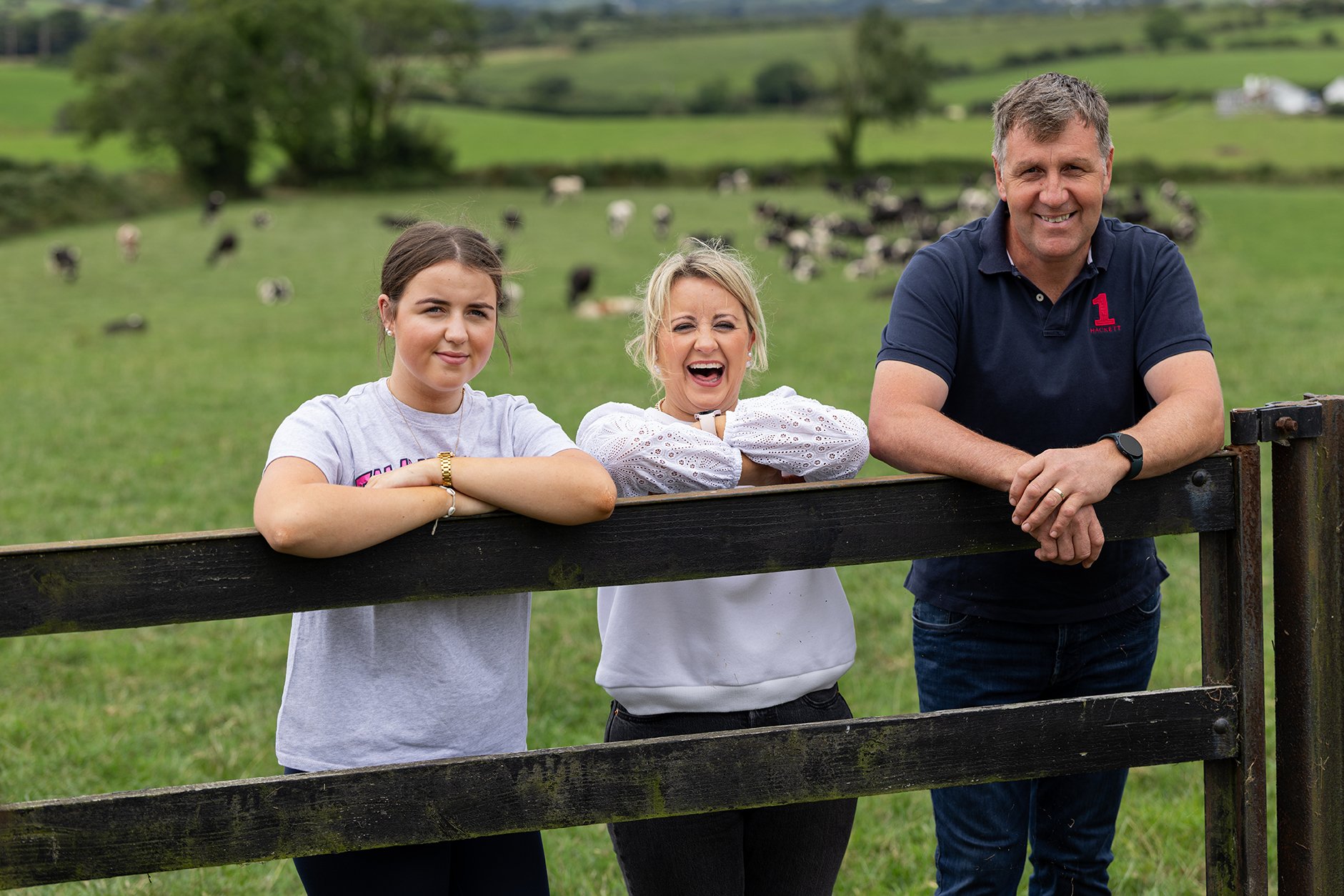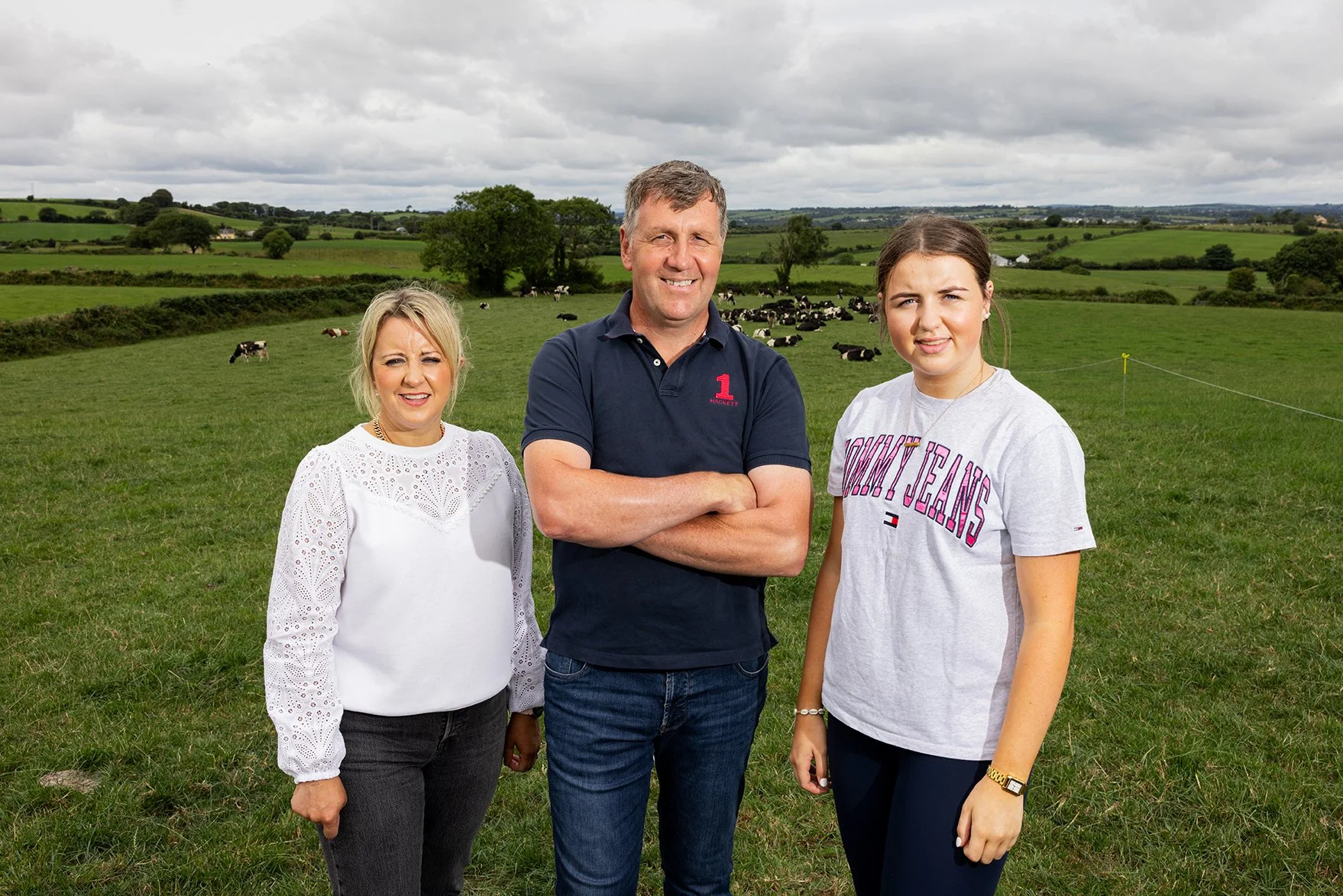
The case for Irish dairy farming begins before a word is spoken at Springpark. The drive into the Kelleher farm has that rare, immediate wow factor: ordered, welcoming and unmistakably cared for. It is the kind of place that could reassure a consumer far removed from farming that the milk in the carton began somewhere very good indeed. Yet the visual impact is only the entrance to the story. What makes Springpark exceptional is that almost everything behind it has been created within one working lifetime.
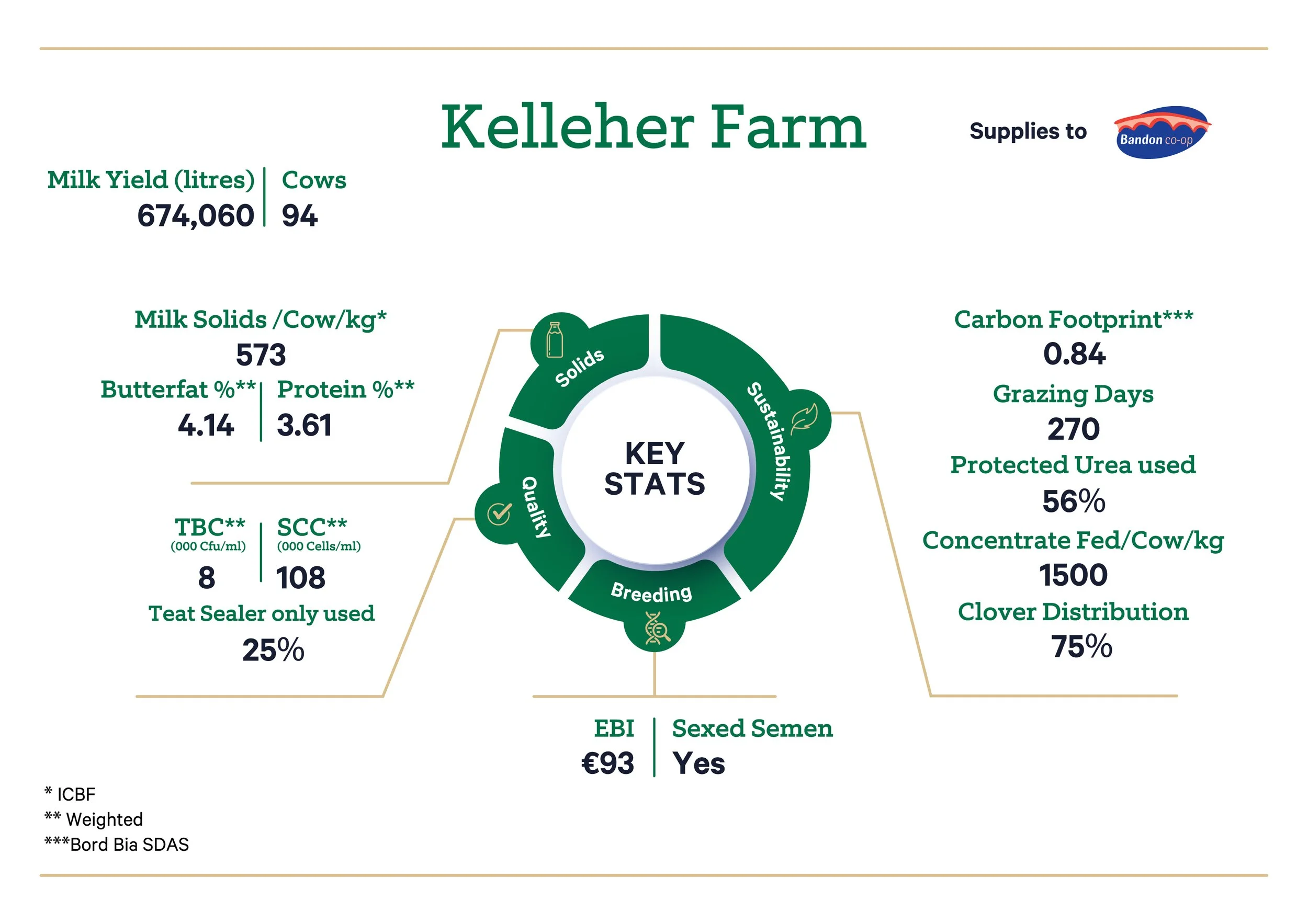
When Mark took over in 2008, Springpark was an outfarm carrying about 30 beef animals. He had never milked cows. The opportunity provided by the new-entrant scheme allowed the Kellehers to convert to dairying in 2010, opening the entrance, building the necessary sheds and facilities and assembling a herd from carefully sourced animals. Sixteen years later, 96 cows produced 573 kg of milk solids per cow in 2025 from 7,170 litres - placing the herd above Bandon Co-op's top 10% benchmark for solids. This is not an inherited dairy system polished at the edges; it is a dairy business conceived, learned and built from the ground up.
That history explains the financial discipline evident across the yard. Development has proceeded within a budget, one useful investment at a time, rather than by chasing scale for its own sake. The target is no longer more cows. It is a profitable, efficient herd that one family can manage well, supported by trained relief milkers when needed. Mark begins at 5.30am and aims to be finished by 6pm. The family motto, 'you work to live, not live to work', is not decorative wording; it is the design brief for the whole farm.
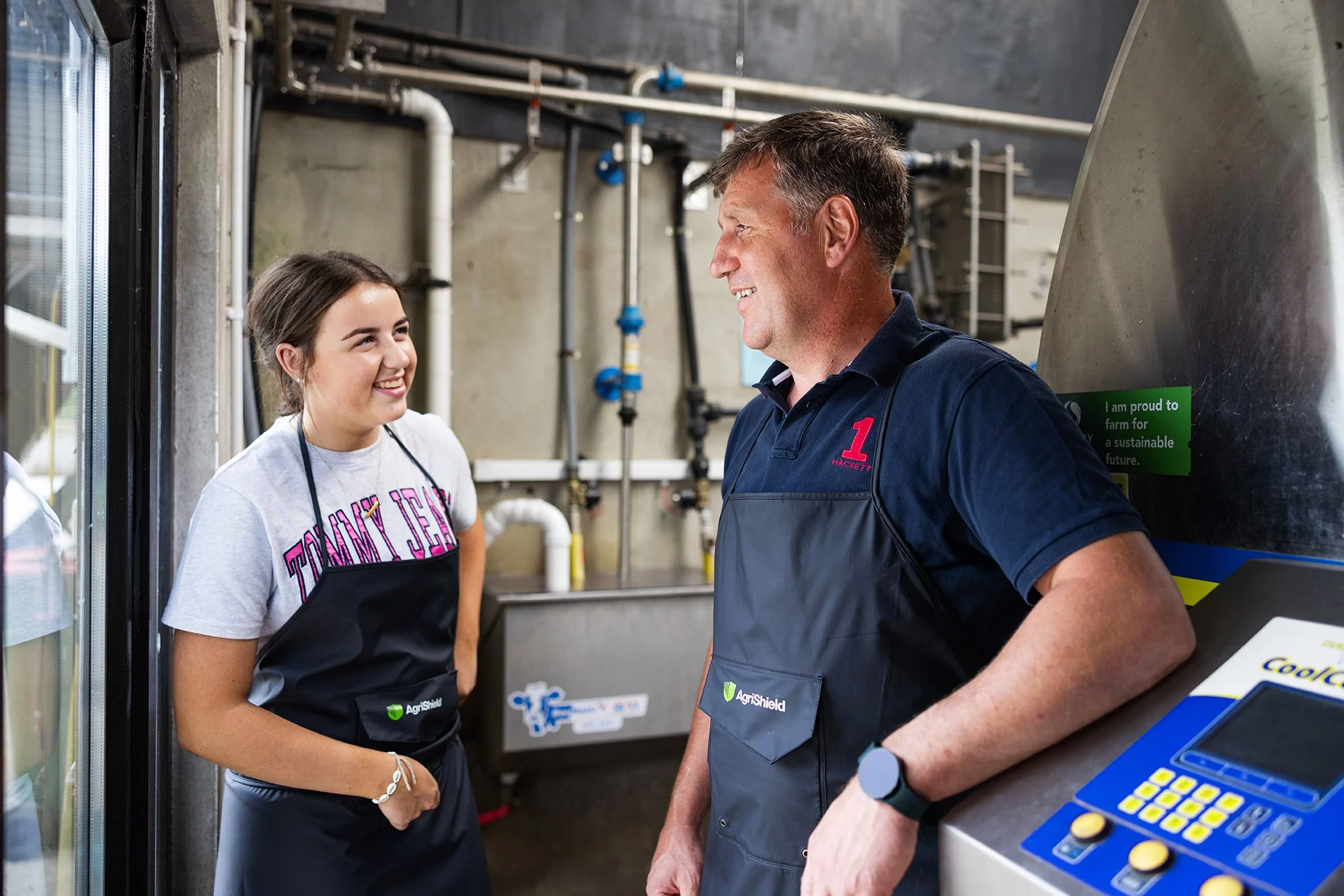
The clearest expression of that control is a number: two. Only two quarters required treatment for mastitis during all of 2025. Every cow is dry-wiped and visually checked before the cluster is attached. BouMatic health collars, a 'game changer' in Mark's words, help identify an animal going off form, while milk-recording results are studied rather than merely filed. Any cow with a raised cell count is sampled and tested through Carbery, with the result available on the app before evening milking. Affected cows are drafted and milked last, and repeat offenders are not retained as future breeding animals.
The same precision governs the plant. After each milking, the BouMatic automatic wash uses 160 litres of hot water starting at 85°C, circulates for nine minutes and dumps at 45°C, followed by a cold rinse and peracetic-acid sanitising rinse. Filters are changed after every milking, the system is descaled twice weekly and liners, seals and rubbers are renewed to schedule. Through much of the main 2025 season the TBC remained in single figures, while the ICBF performance report recorded a weighted annual SCC of 108,000 cells/ml. Selective dry-cow therapy is equally targeted: 25% of cows received teat sealer only, with milk-recording and laboratory evidence used to keep antibiotic use to the minimum necessary.
Mark's breeding policy carries the same evidence-led stamp. The original herd included extreme Holstein genetics sourced from good herds, but fertility problems prompted a deliberate change of direction towards British Friesian influence and a more functional cow. The aim is straightforward: good feet and udders, high constituents, the ability to calve every spring and the durability to remain in the herd. The result is a substantial 7,000-litre cow rather than one bred to follow fashion.
The whole herd was genotyped three years ago and Mark carries out his own AI. All dairy semen used is sexed so that replacements come from the best cows, while high-DBI Charolais, Belgian Blue, Hereford and Angus sires give the remaining calves value and purpose. Josephine has a real voice in those breeding discussions. Technology supplies the data; stockmanship still decides what kind of animal Springpark wants to breed.
Elmarie's recent retirement as a bank manager opens a new chapter, although nobody expects it to be an idle one. Her professional eye is reflected in the farm's records, paperwork and measured investment, while her contribution reaches far beyond the office: she is active in the Cork Holstein Friesian Club, coordinates local choirs and helps wherever needed. The magnificent spread she prepared for the judging visit produced an instant verdict of its own, should retirement from banking ever become too quiet, a restaurant would not be short of customers.
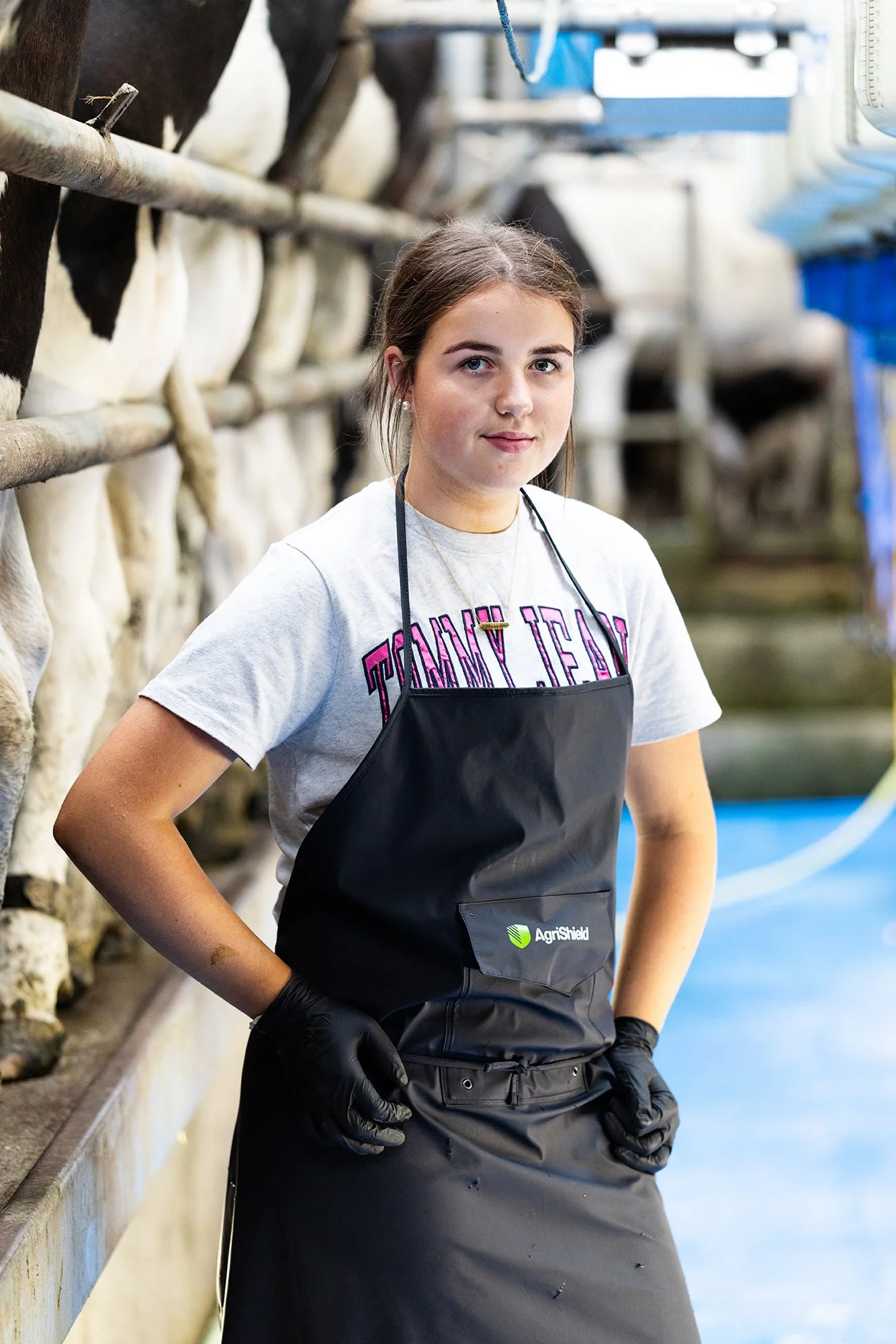
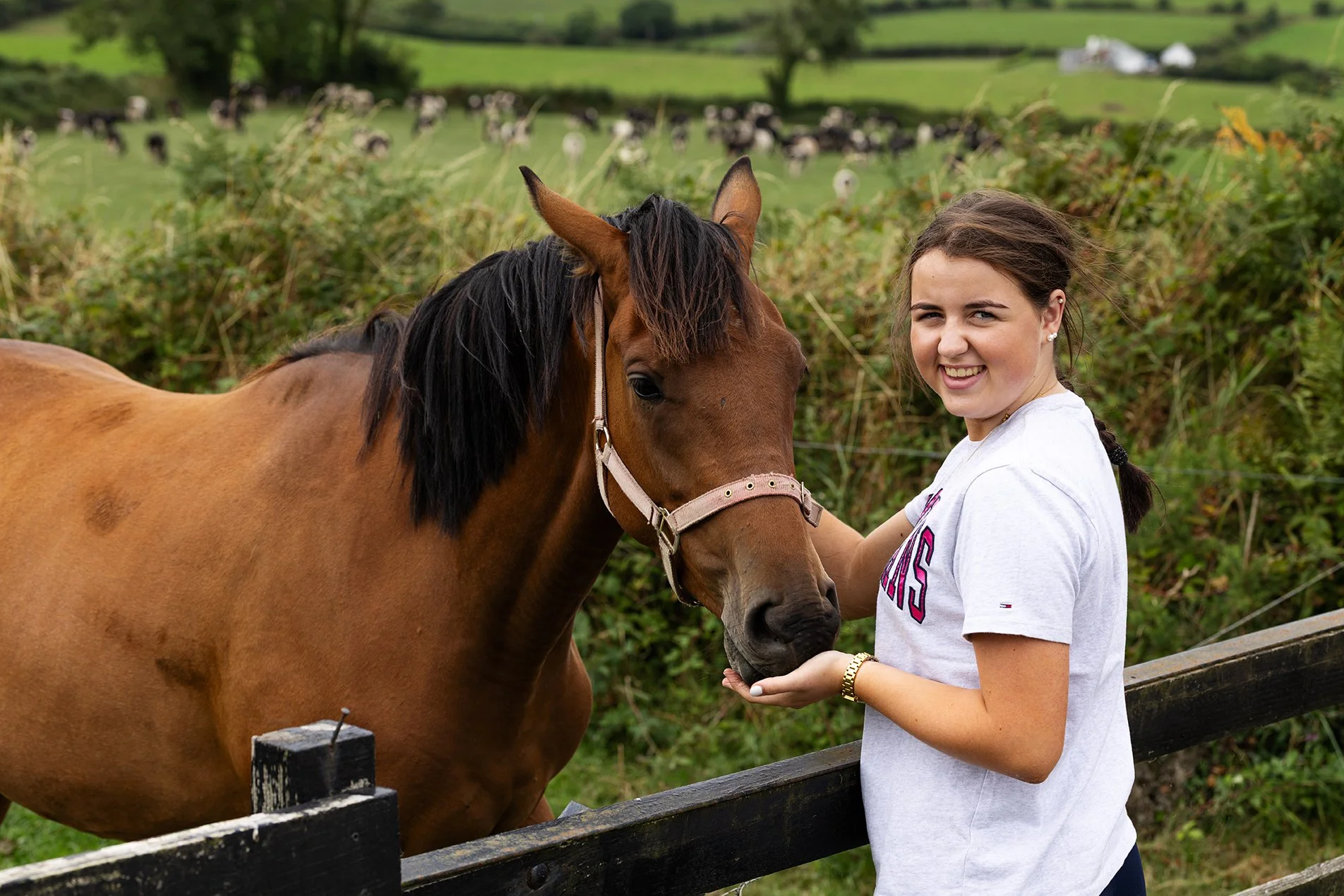
At 15, Josephine calls herself the farm's 'calf manager', and the title is well earned. She milks, feeds and trains calves, contributes ideas on future genetics, serves with Cork YMA and has won the Cork Young Handler title. She hopes to study agricultural science, but her parents are careful that interest is encouraged rather than obligation imposed. Her instinct for livestock crosses species and generations. She shares her grandfather's passion for horses, and a young filly, a future point-to-point prospect, he gave her provides a living connection between his horse-breeding tradition and her own future with animals.
That future is being prepared without narrowing her choices. The Kellehers believe succession should begin with conversation and gradual responsibility, not with pressure. Josephine is already learning how decisions are made, while also playing football and camogie, riding ponies, singing and playing guitar. Mark, meanwhile, serves on the Bandon Co-op board and agricultural show committee and coaches two under-16 ladies' football teams. Springpark succeeds not by excluding life beyond the farm, but by making room for it.
The farm's appearance is matched by care for the landscape around it. Native trees and hedgerows have been planted or strengthened every year since the Kellehers took over. Waterways are fenced and buffered; rainwater is harvested for parlour washing; slurry is applied by low-emission equipment; protected urea and GPS-guided spreading reduce avoidable losses. Clover is incorporated across 75% of the grazing platform, cows have a 270-day grazing season, and participation in the EIP Water project and Carbery's Biodiversity Mapping Initiative extends the focus from compliance to measurable improvement. The carbon footprint stands at 0.84 kg CO2 equivalent per kg of fat- and protein-corrected milk.
Springpark's first impression is powerful, but the lasting impression is deeper. Here is a farm created by a man who had never milked a cow, strengthened by a woman whose banking career brought rigour and perspective, and enlivened by a daughter whose eye for cattle and horses links ambition with inheritance. It produces excellent milk, protects the place in which that milk is made and gives its family a life beyond the yard. If Irish dairying needed a farm to show people what the sector can be, the drive into Springpark would be a very good place to begin.