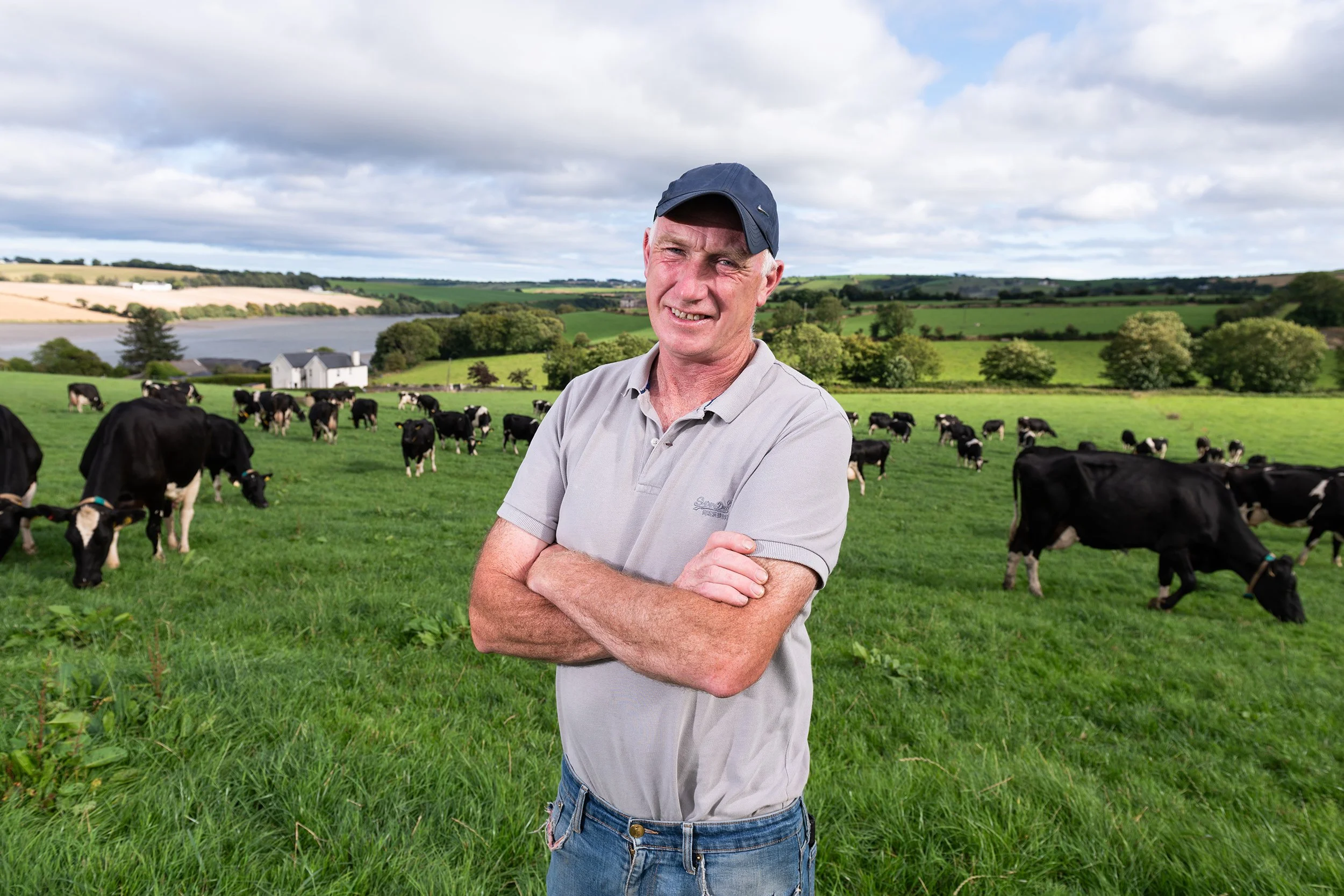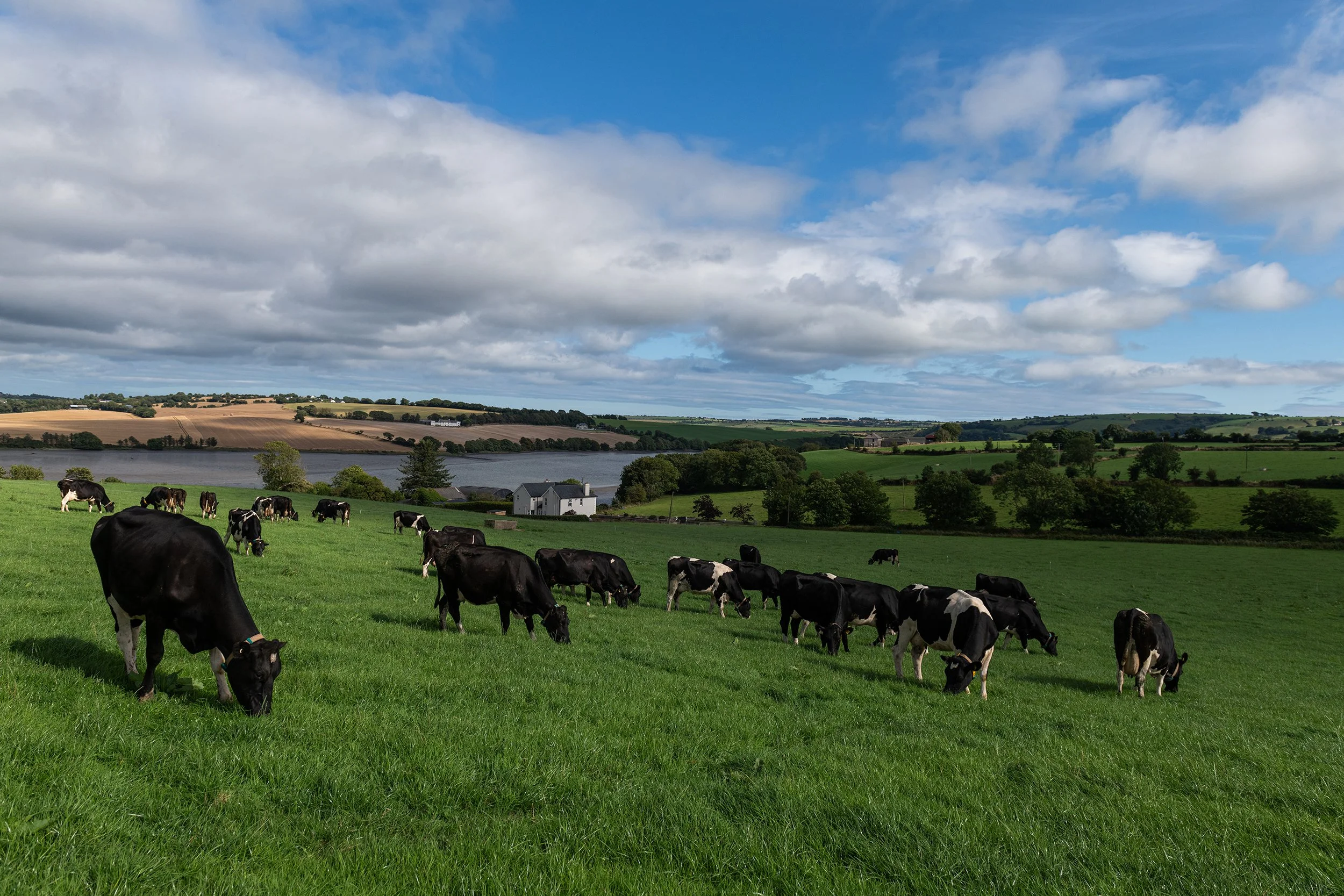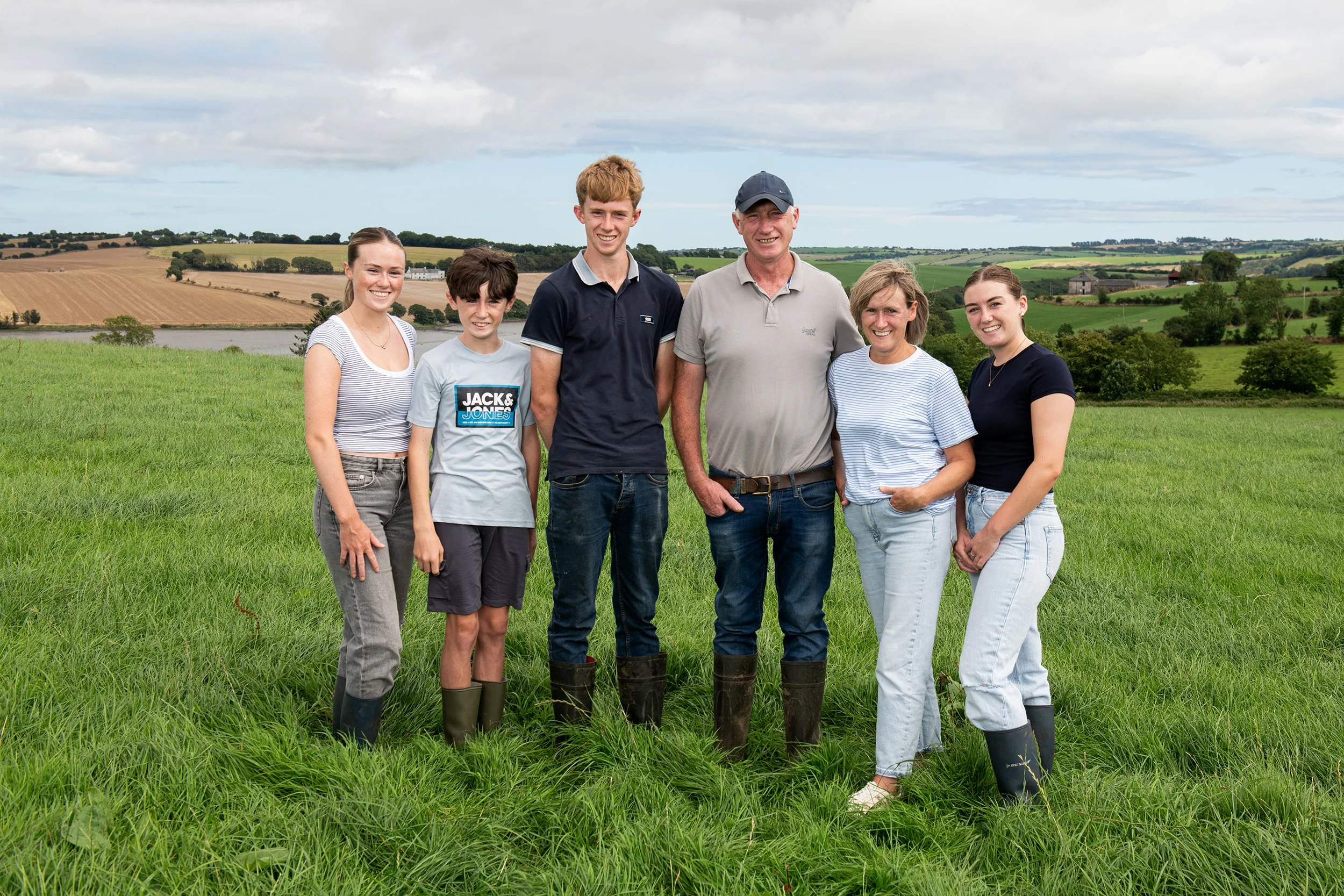
On the banks of the River Bandon, where herons, seabirds and even seals are regular visitors, John and Annette O’Donoghue farm with their son Paddy and younger children Ciara, Áine and Jack. The setting alone is striking, riparian zones along the river are carefully protected, and plans are in train for willow beds to improve water quality further. It’s a farm where respect for nature is matched by a drive for efficiency and innovation.
This is very much a family farm with deep roots. John’s late father, also Paddy, left his mark by planting forestry, building a pier on the river, and instilling a love of nature that still shapes how the farm is run today. John and Annette have carried that tradition forward, with hedgerows, buffer zones and wildlife habitats maintained alongside a high-performing dairy herd.
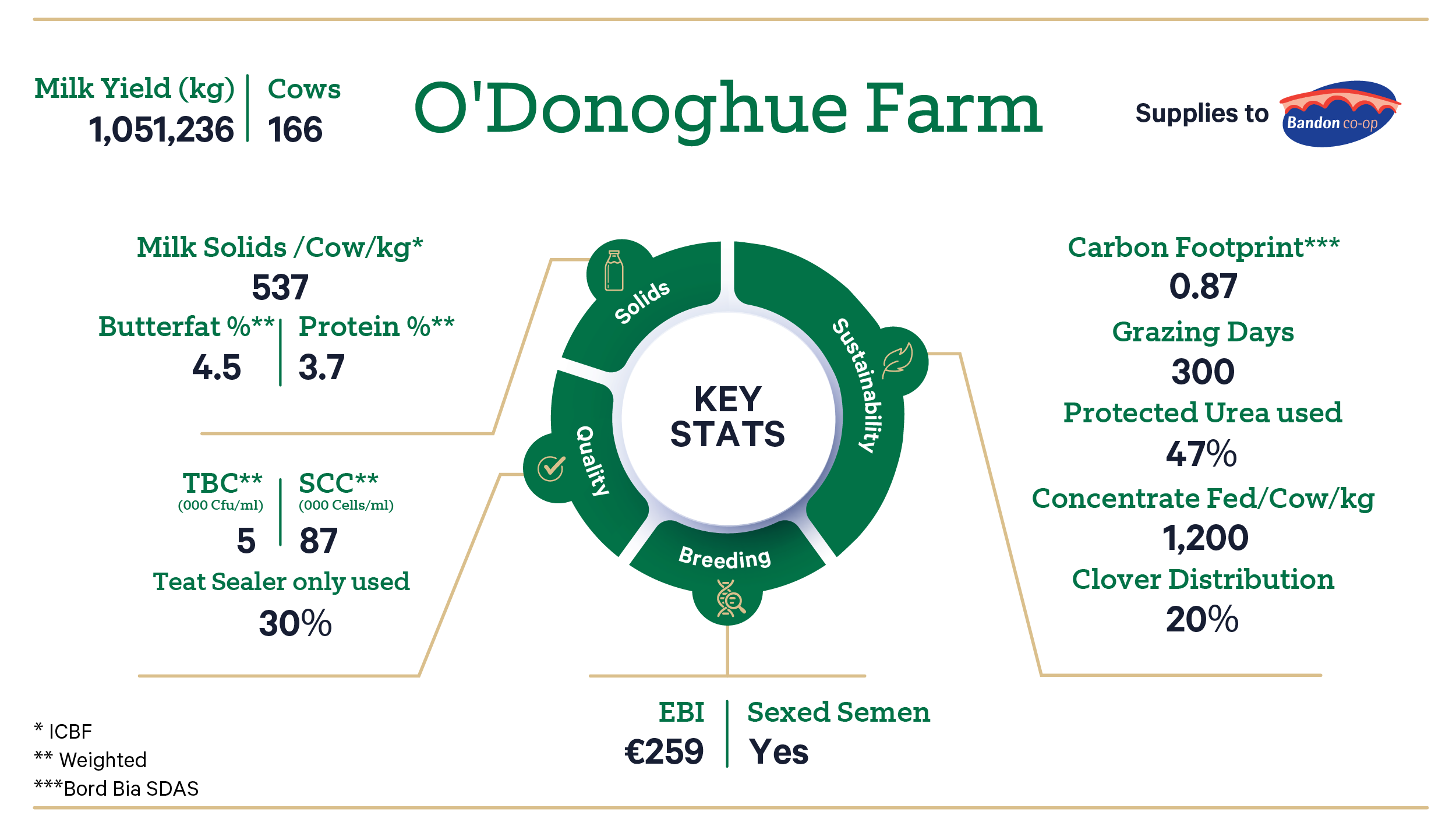
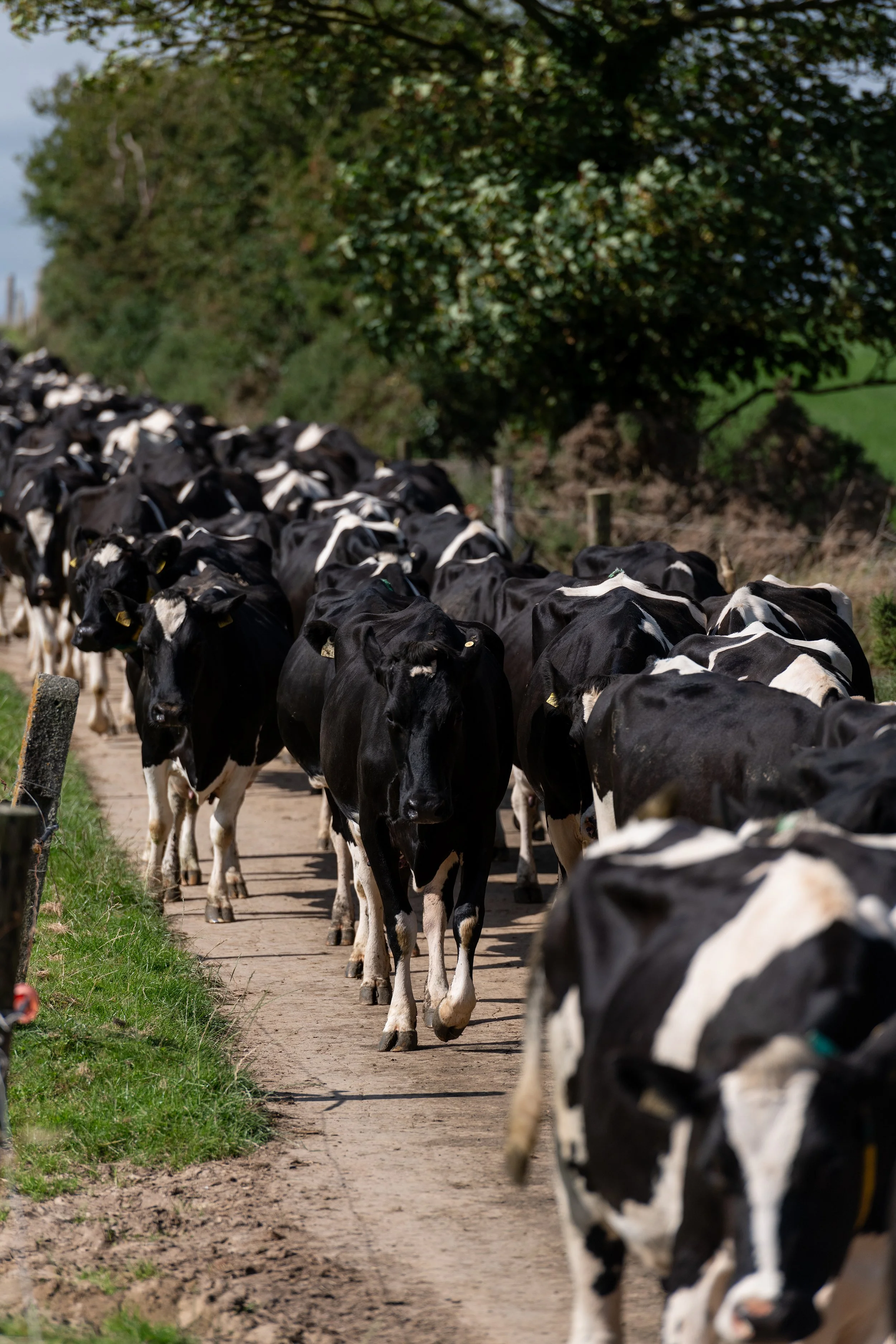
The herd itself is impressive. With a herd EBI of 259 and replacements at 294, genetics are a key part of the story. Replacements are contract-reared, and with 90% of dairy AI now sexed, the O’Donoghues are breeding with intent, selecting for fertility, solids and longevity. Male calves head to the mart at four weeks, and this spring demand and prices were strong.
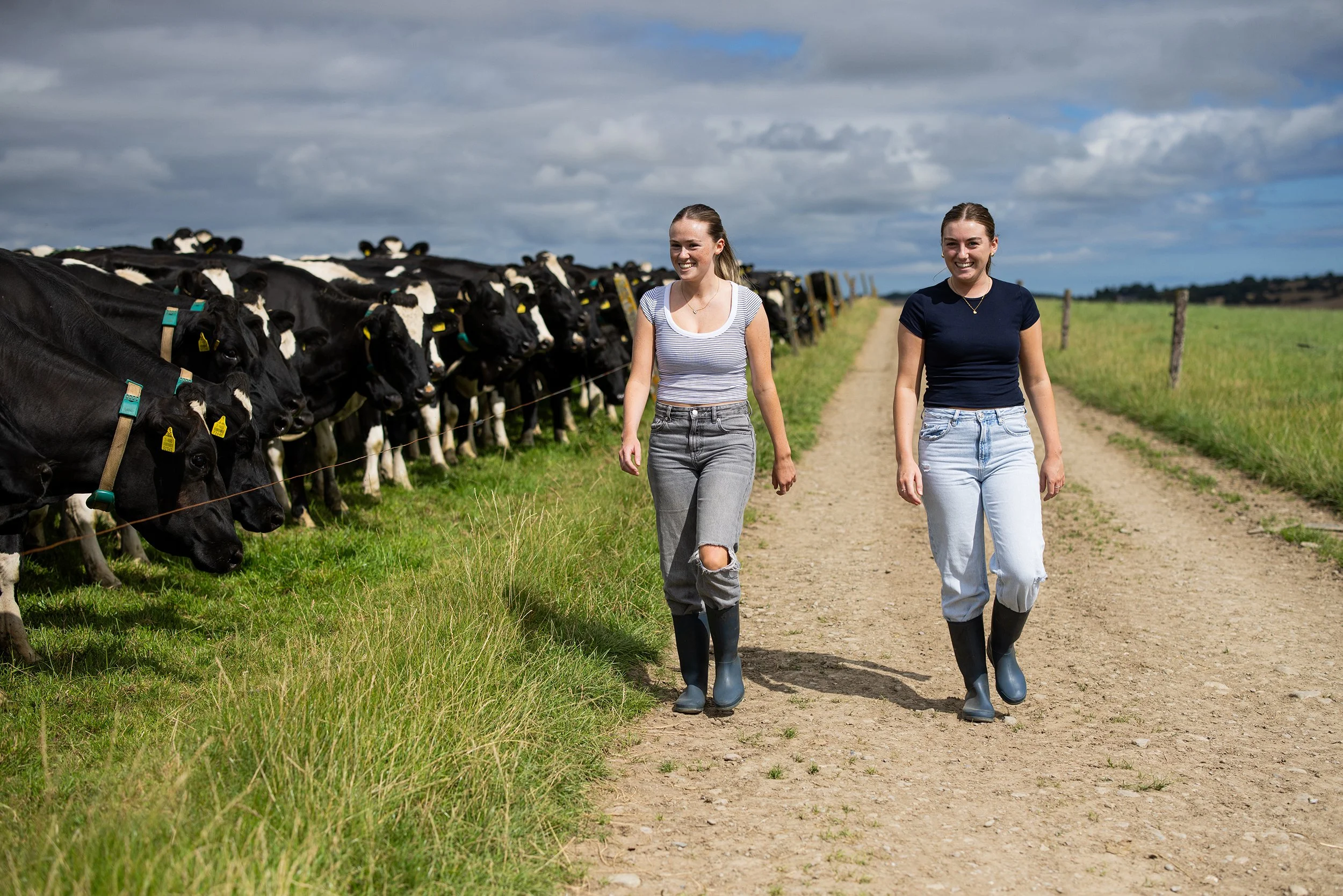
Technology has brought a quiet revolution to the farm and the installation of GEA collars has transformed herd management, delivering health and fertility insights in real time. “They’ve been a game changer,” John admits, helping to fine-tune breeding decisions and detect health issues earlier. Grassland is walked and measured twice a week, ensuring that paddocks are stocked at the right level and cows are fed to maximise output from the sward.
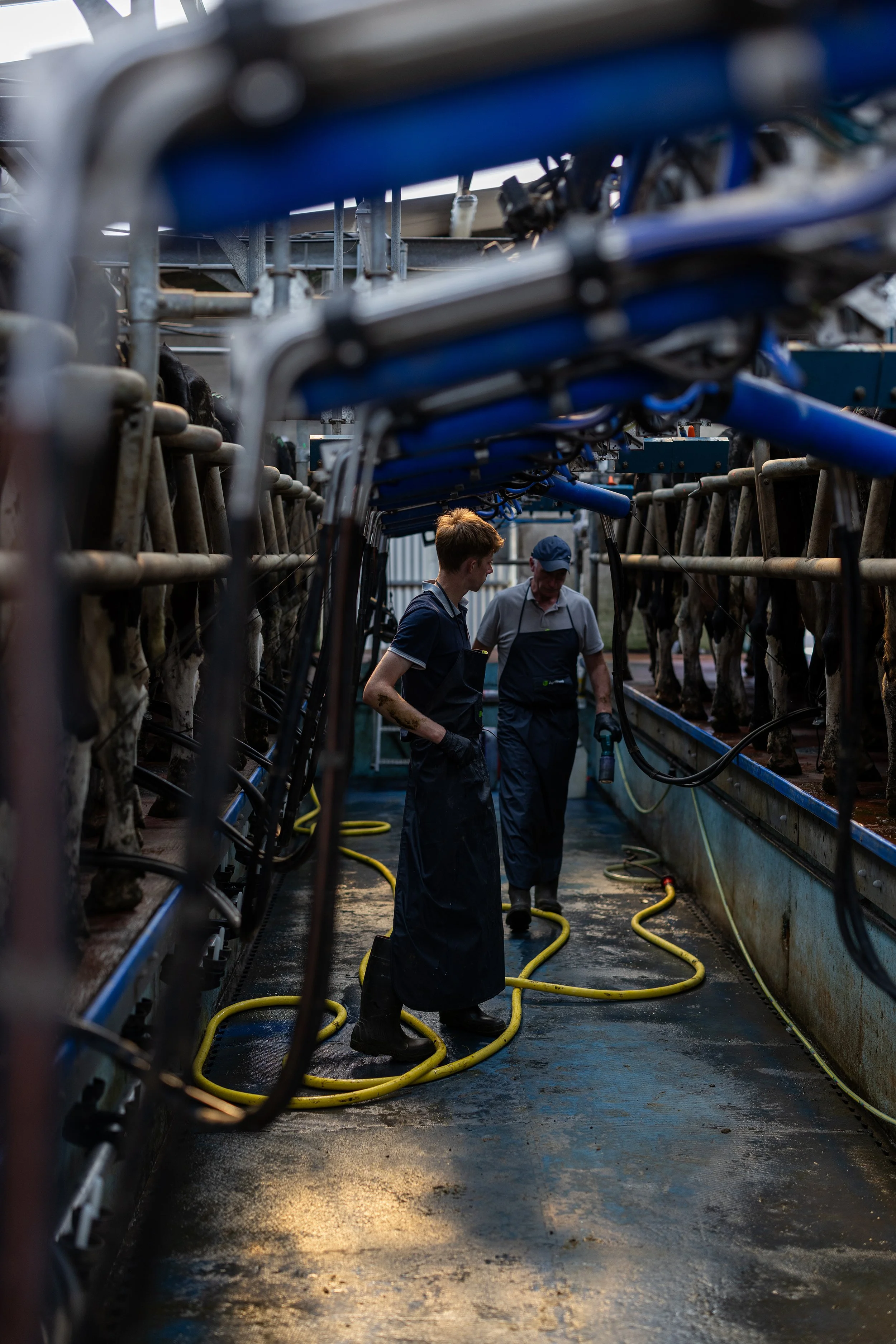
Milking takes place in a 16-unit DeLaval parlour at 6:30am and again at 4pm, with the whole yard wrapped up by 6pm, an efficient system that leaves space for family time and balance. The herd is entirely genotyped, and new lightweight Evanza clusters have been installed to improve cow comfort and milking efficiency.
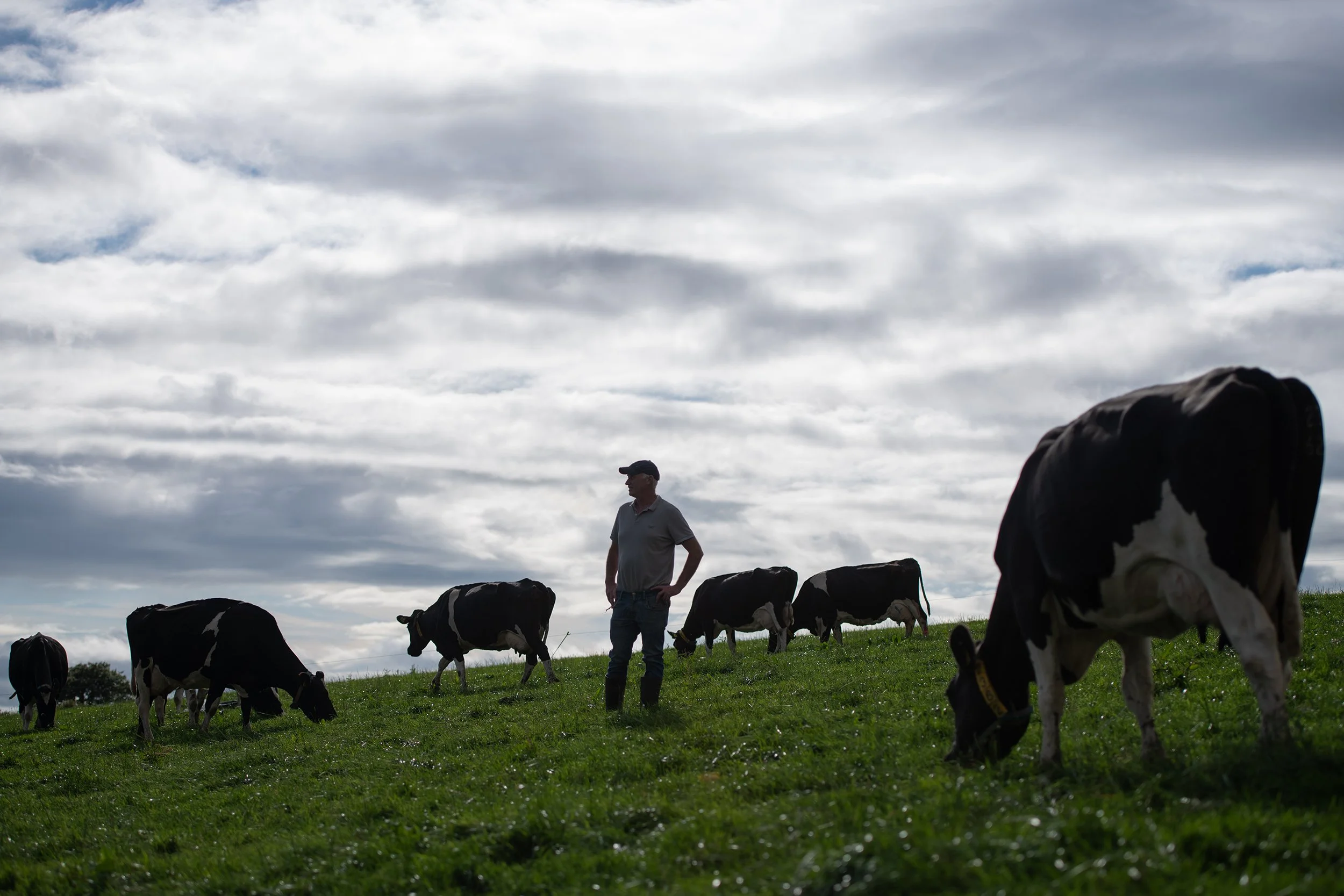
Herd health is managed with precision. Cows with an SCC under 60 and no mastitis in the past two years are sealed at drying off, meaning 30% of the herd receive teat sealant only. Any cows with high SCC identified via routine milk recording, are followed up with California Mastitis Test to pinpoint the affected quarter which is treated. Bulk milk is screened for Johne’s, Q fever and other pathogens, with vaccination against BVD, IBR, Salmonella and Lepto forming part of a comprehensive herd-health programme. Post-milking, teats are cupped with foam disinfectant rather than sprayed, which John finds gives better coverage.
Contractors handle everything bar slurry spreading, and the workload is arranged so that even in spring the family can keep evenings free. John and Annette make sure to take time out too, a three-week holiday in Catalonia this June was their way of recharging after the calving season. “You have to,” he says. “Otherwise you’d burn out.”
Paddy, currently studying at Darrara Agricultural College, is already deeply involved, milking, rearing calves and handling machinery. He’s planning an educational adventure to Australia and New Zealand, where he hopes to see large-scale grazing systems first hand before returning to the home farm.
Sustainability is woven into every aspect of the farm, which plays an active role in the Carbery Monitor Farm group and the Teagasc Signpost Programme, with a strong focus on cutting greenhouse gases, incorporating clover, and striking the right balance between productivity and environmental care.. As a board member of Bandon Co-op, John is shaping the conversation locally about nitrates, stocking rates, and the future of Irish dairying.
As the River Bandon winds past clover-rich fields and tree-lined banks alive with birdsong, the O’Donoghue farm stands as a reminder that productive dairying and a thriving natural landscape can thrive side by side. And with the next generation ready to take the reins, the future here looks every bit as bright as the past.